Akhyāt - Ākhyānā By Divya Ravi
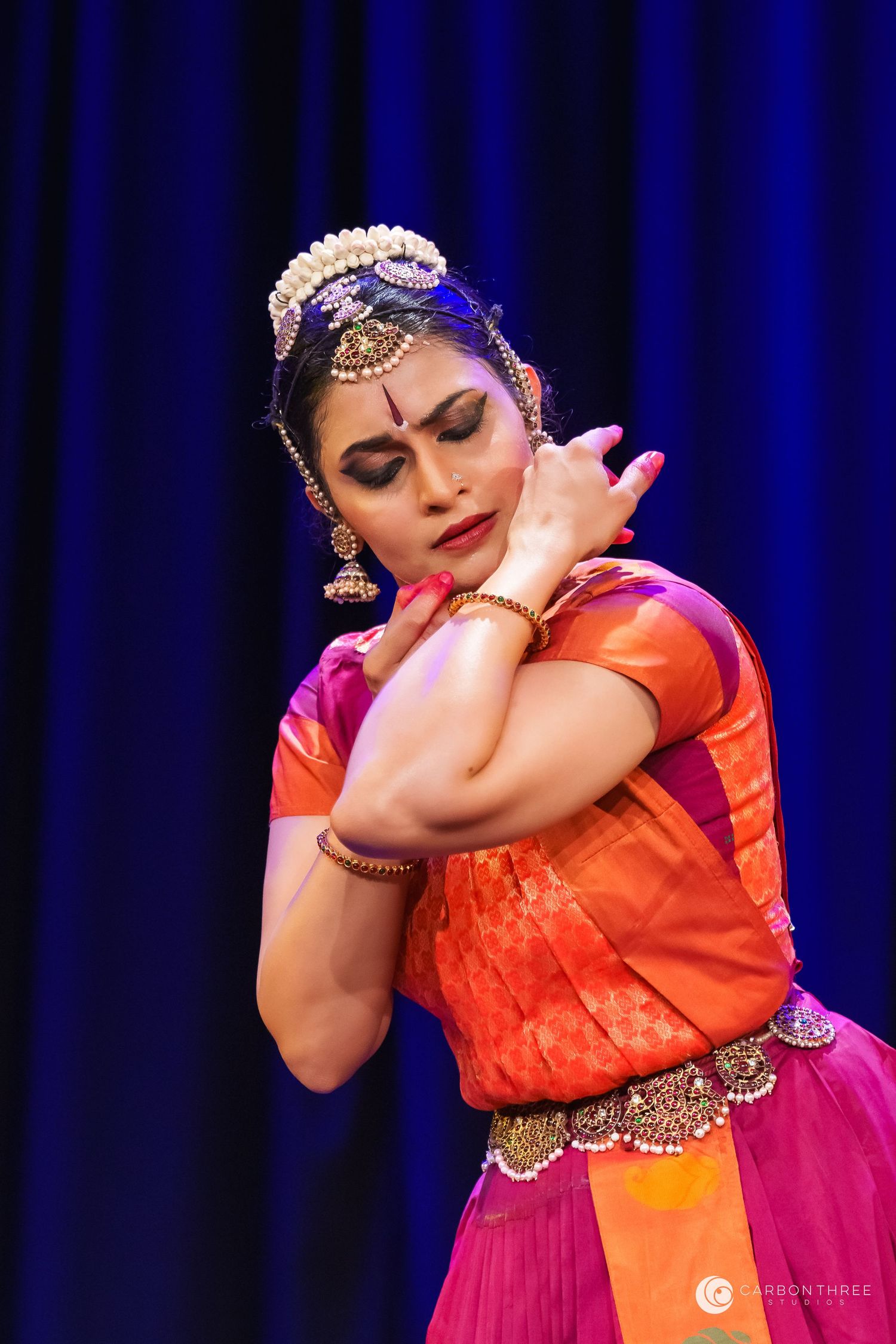
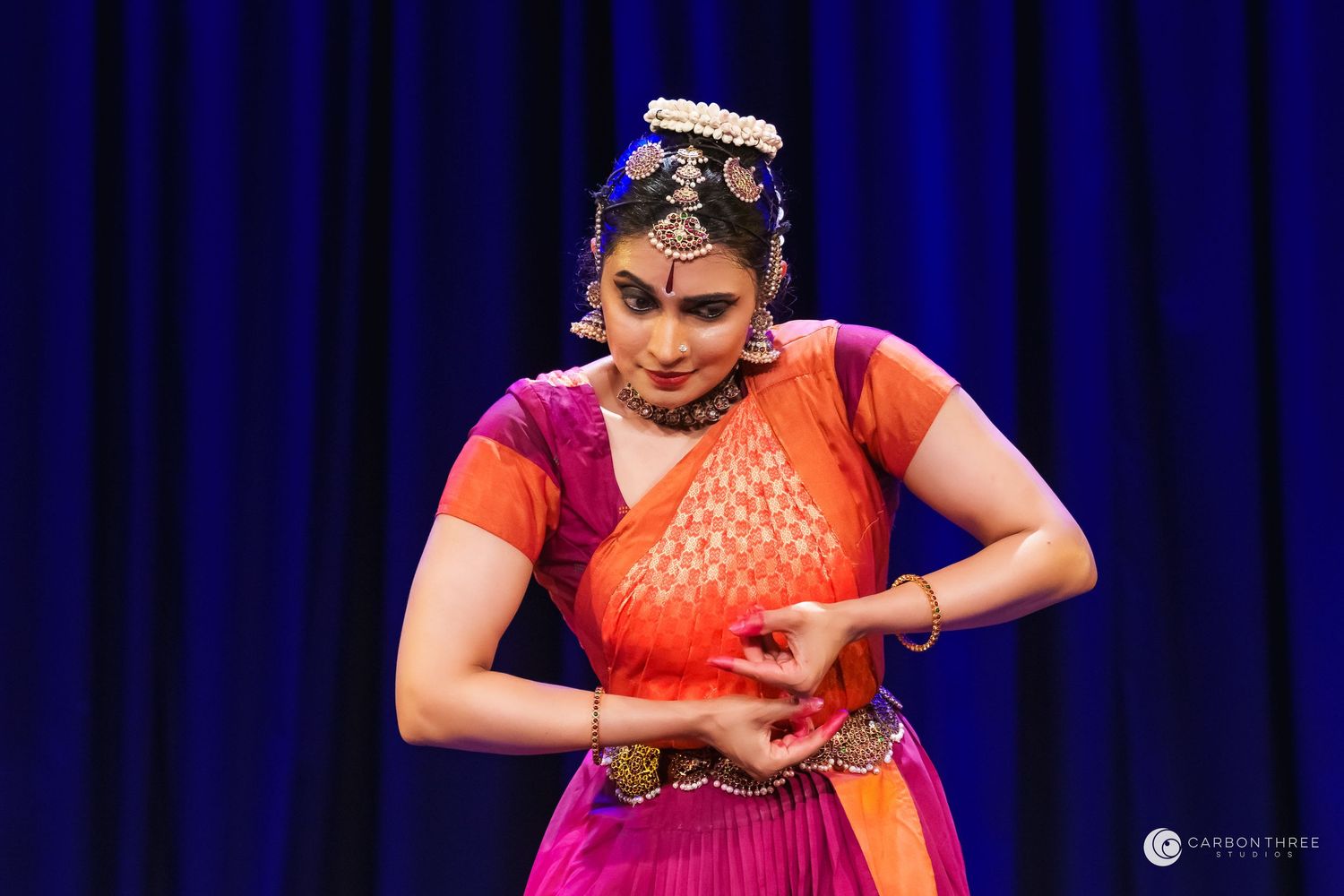
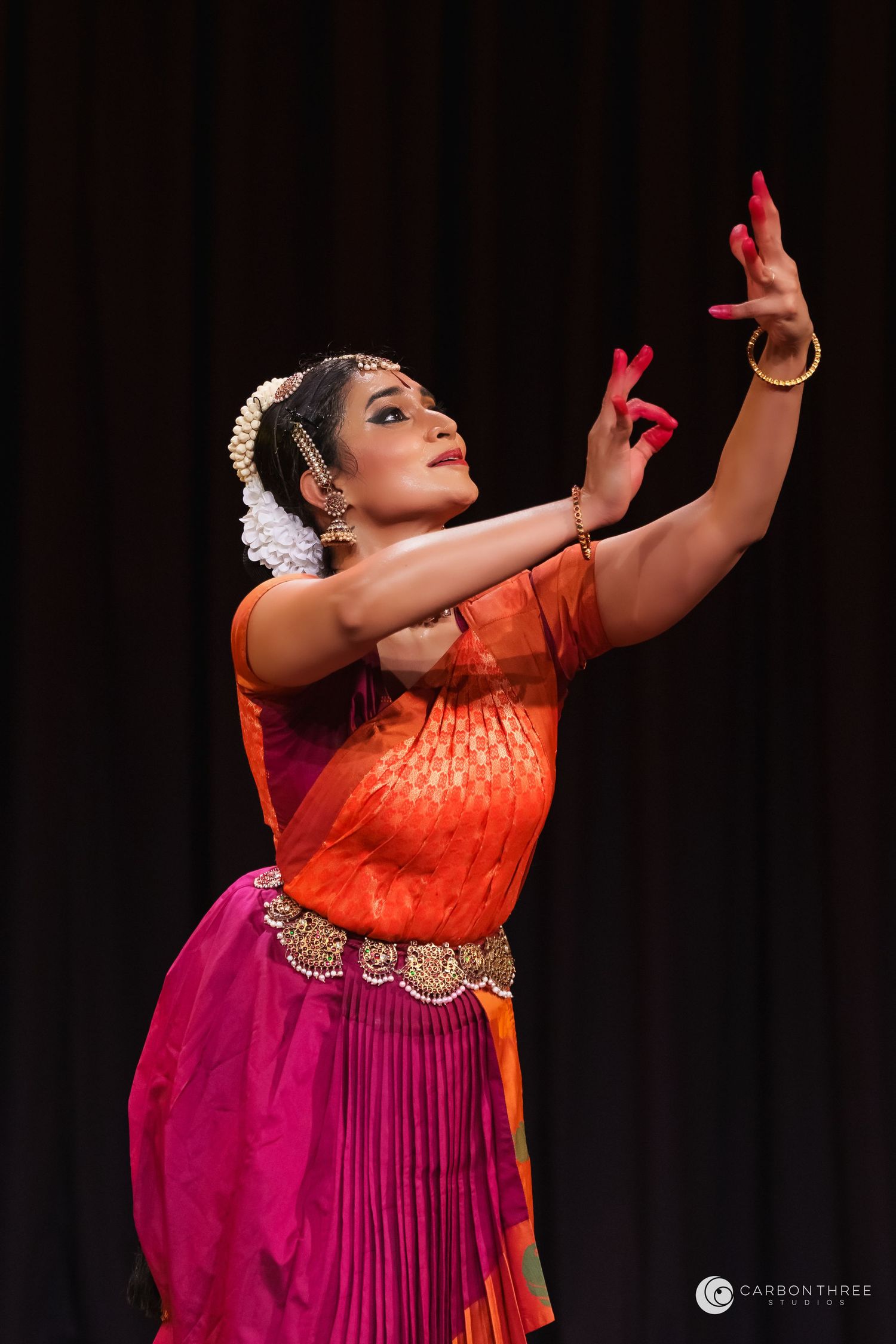
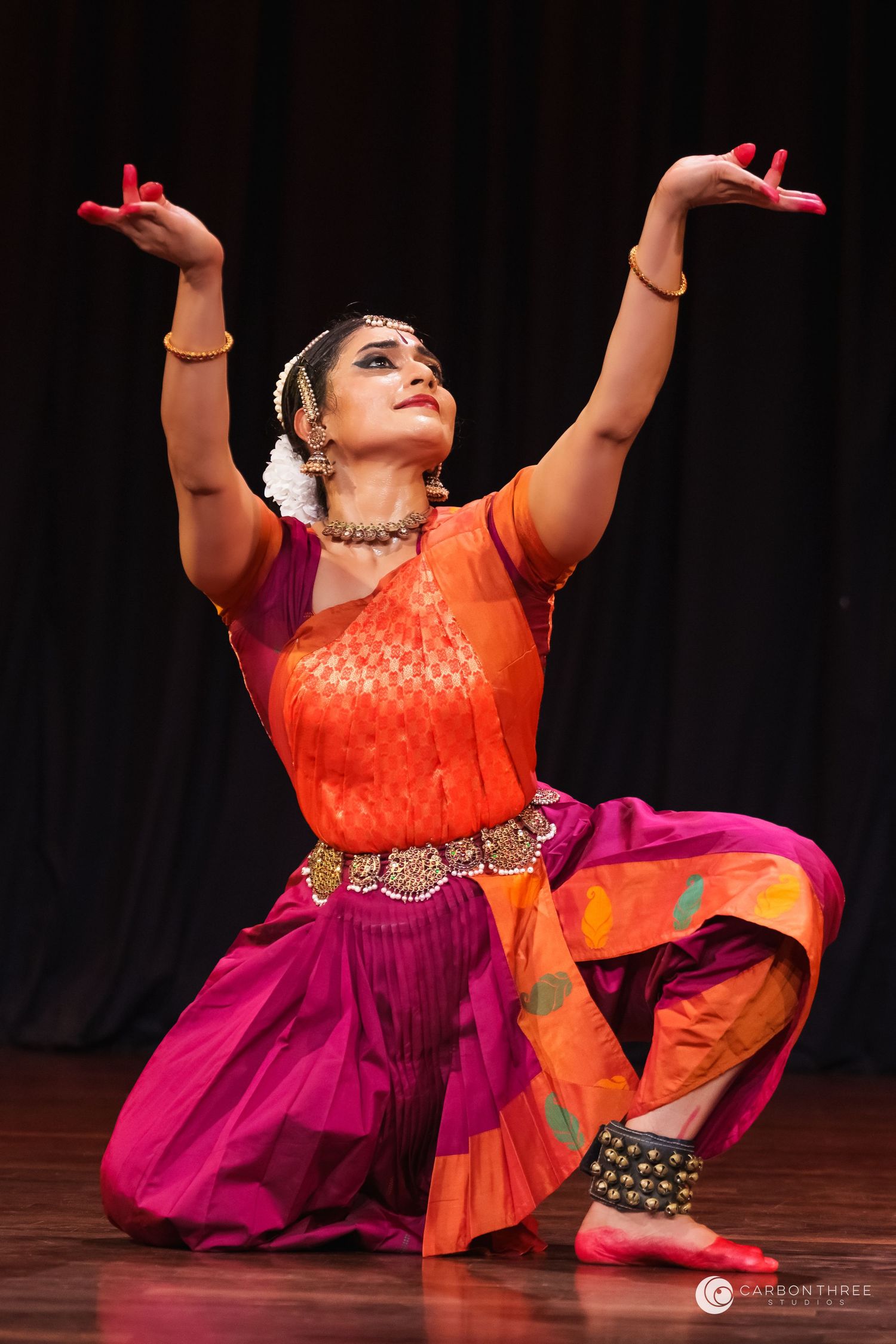
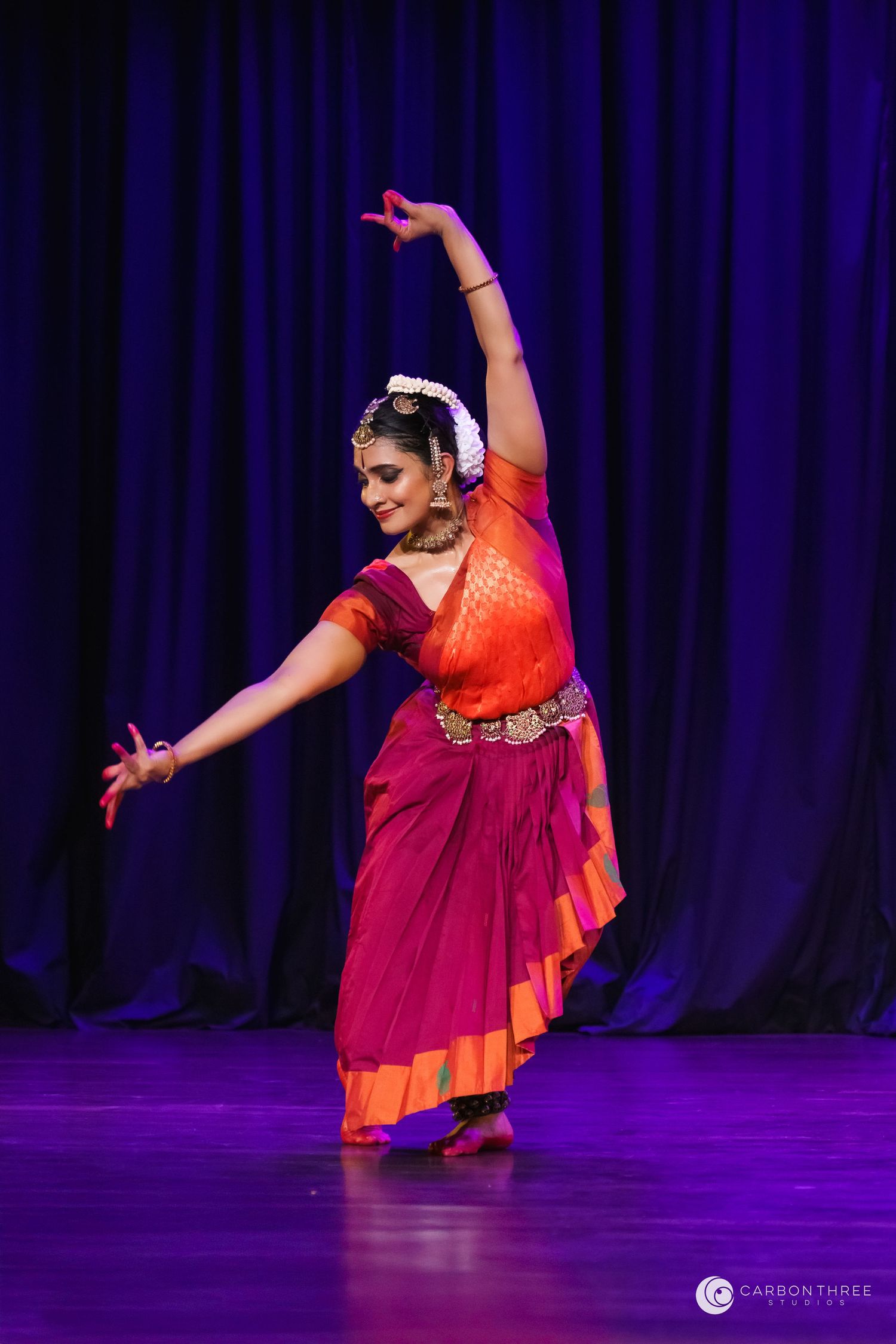
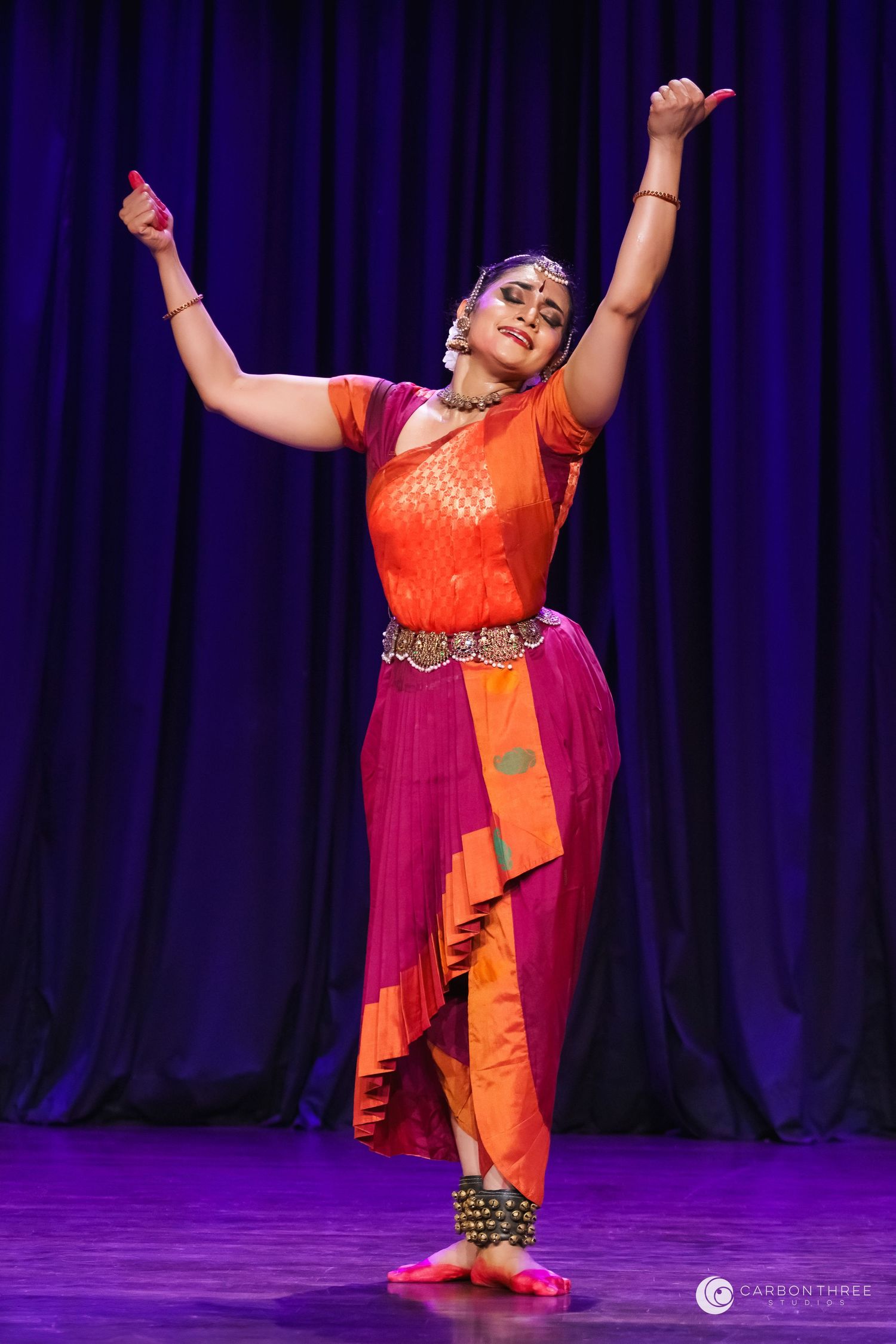
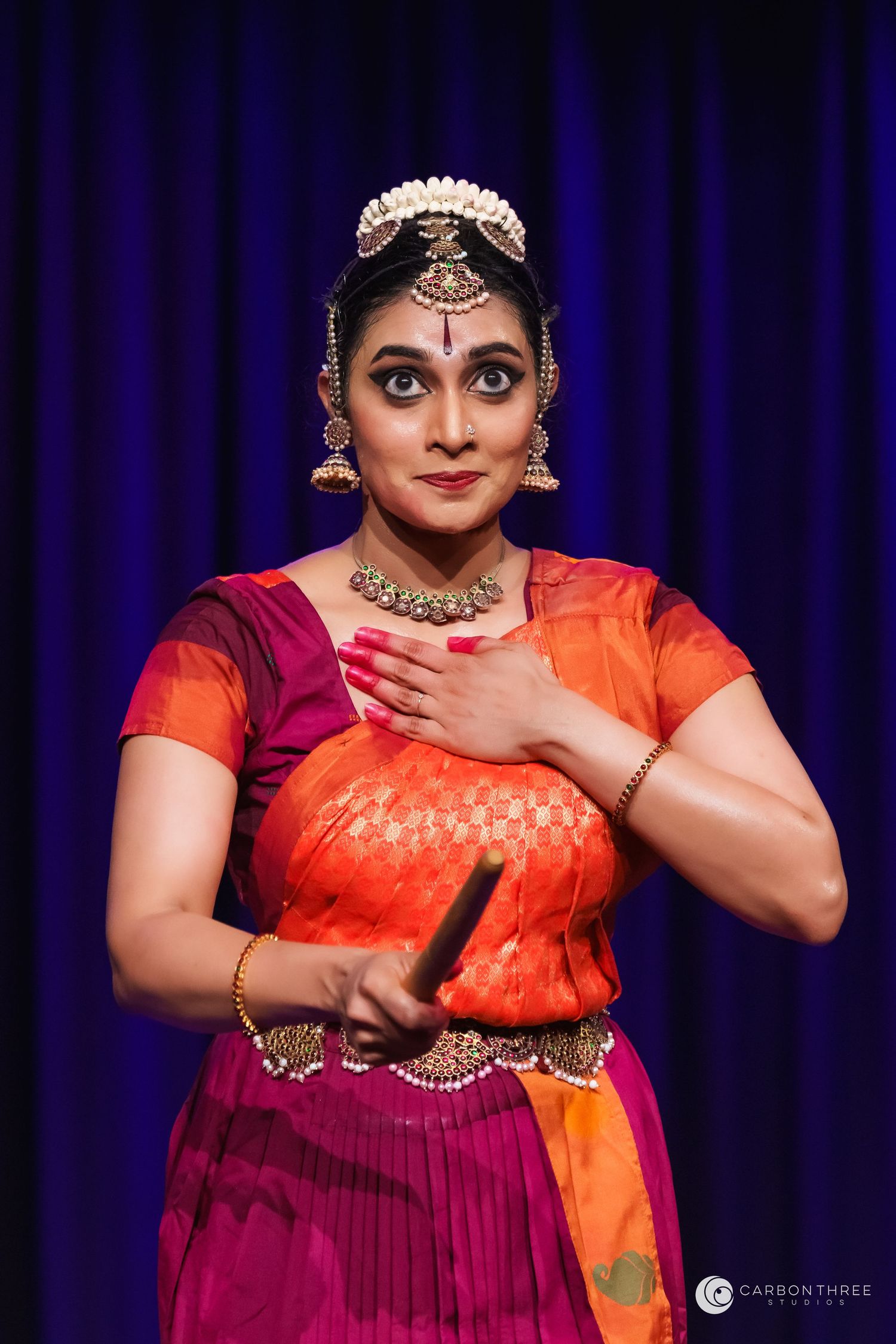
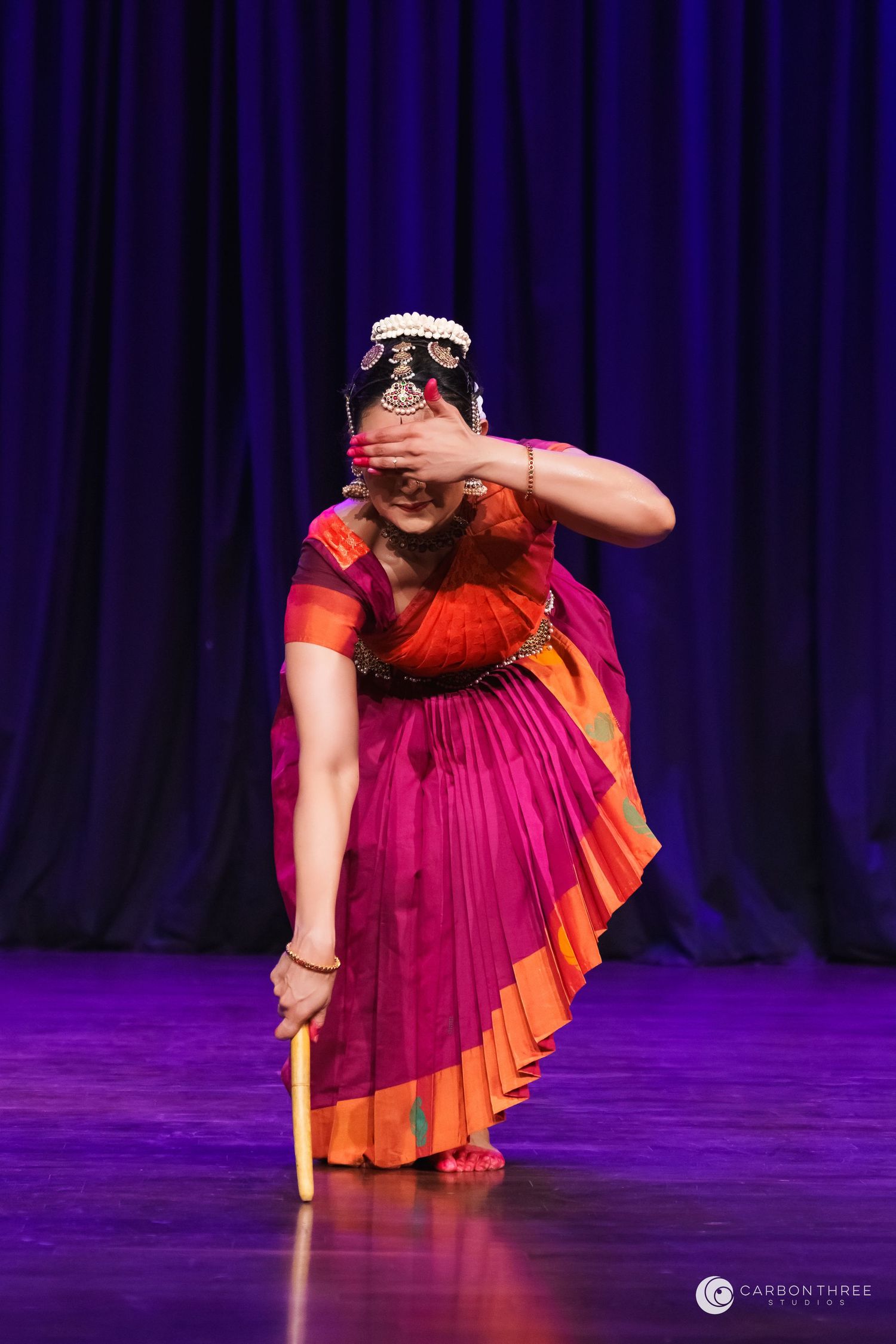
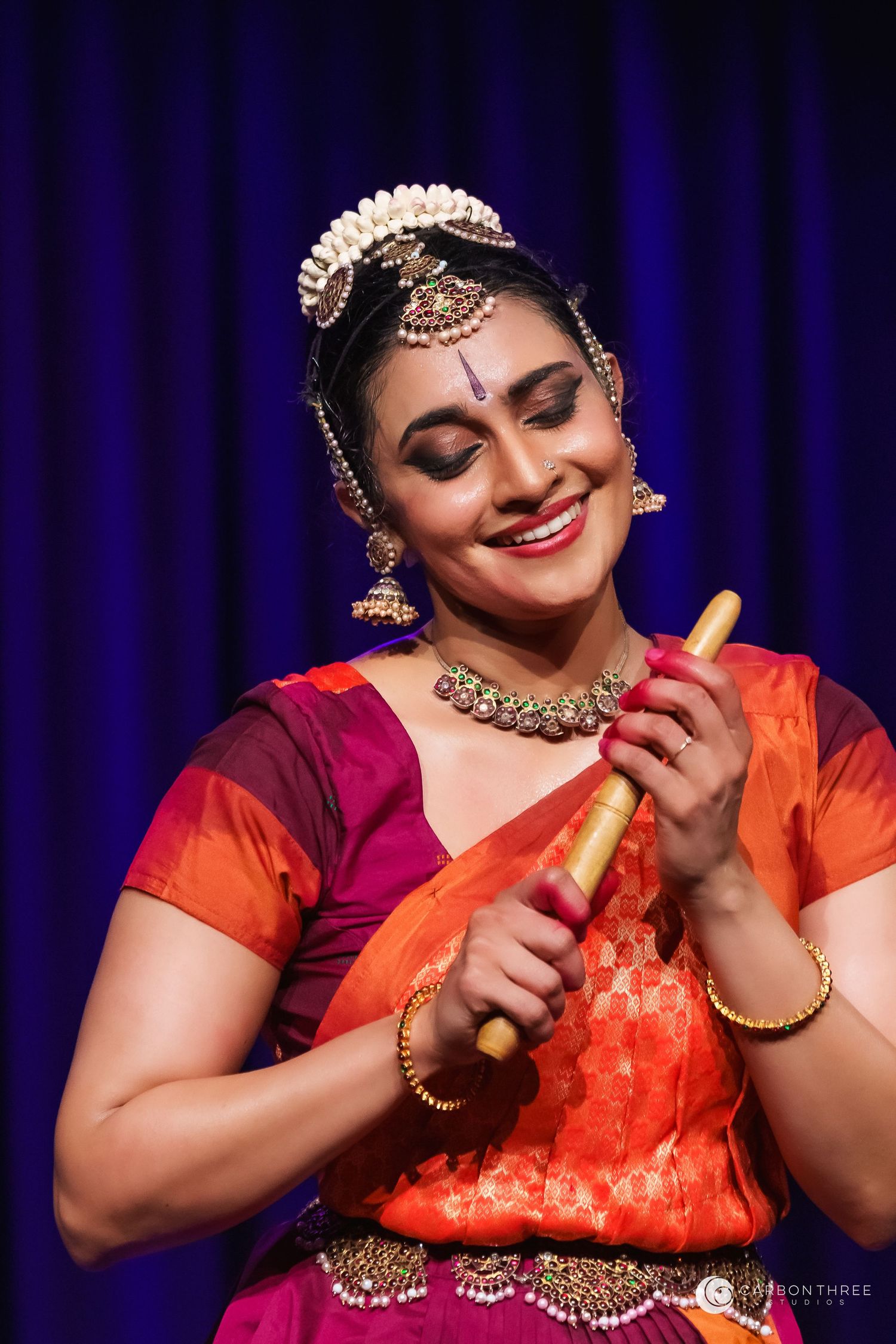
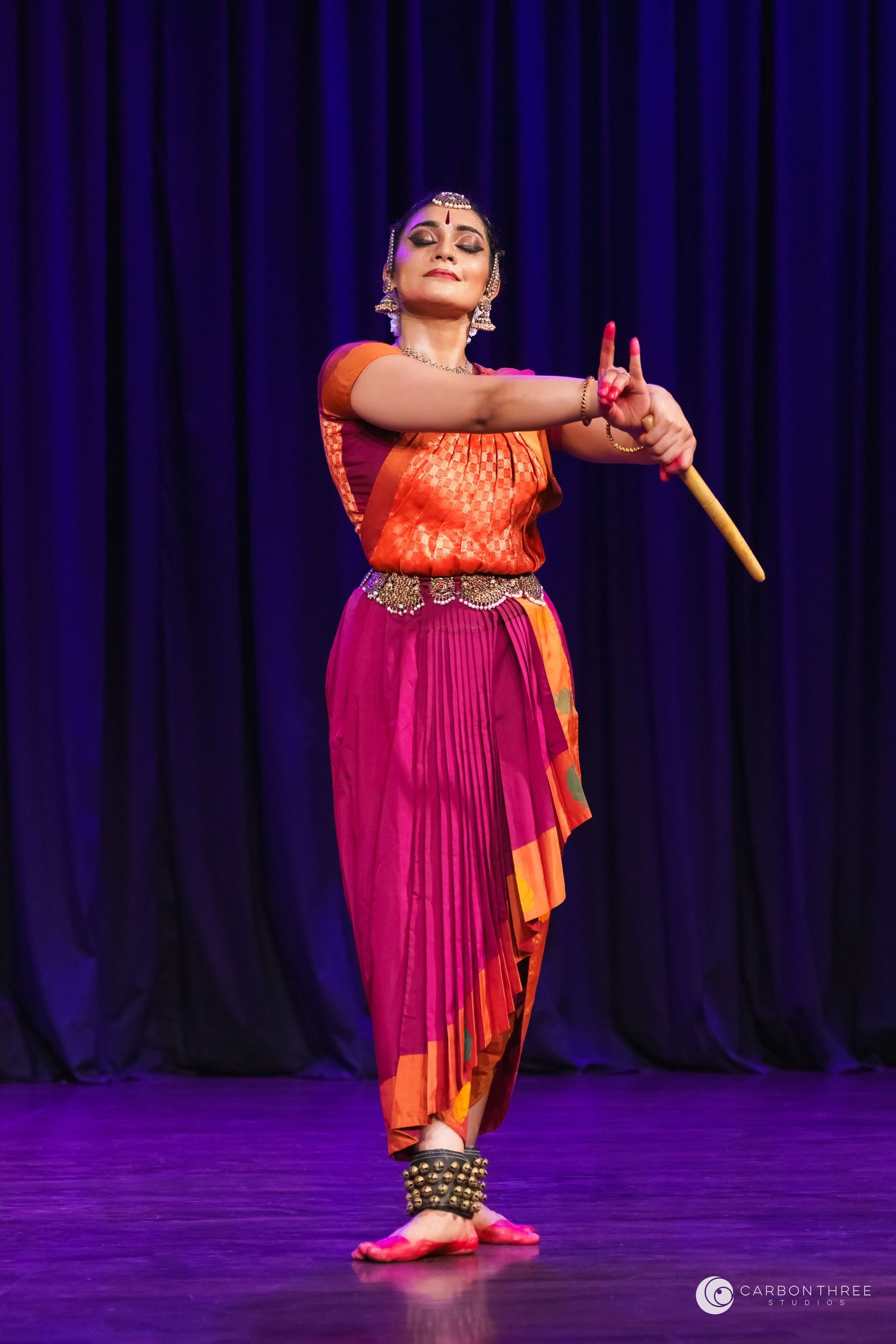
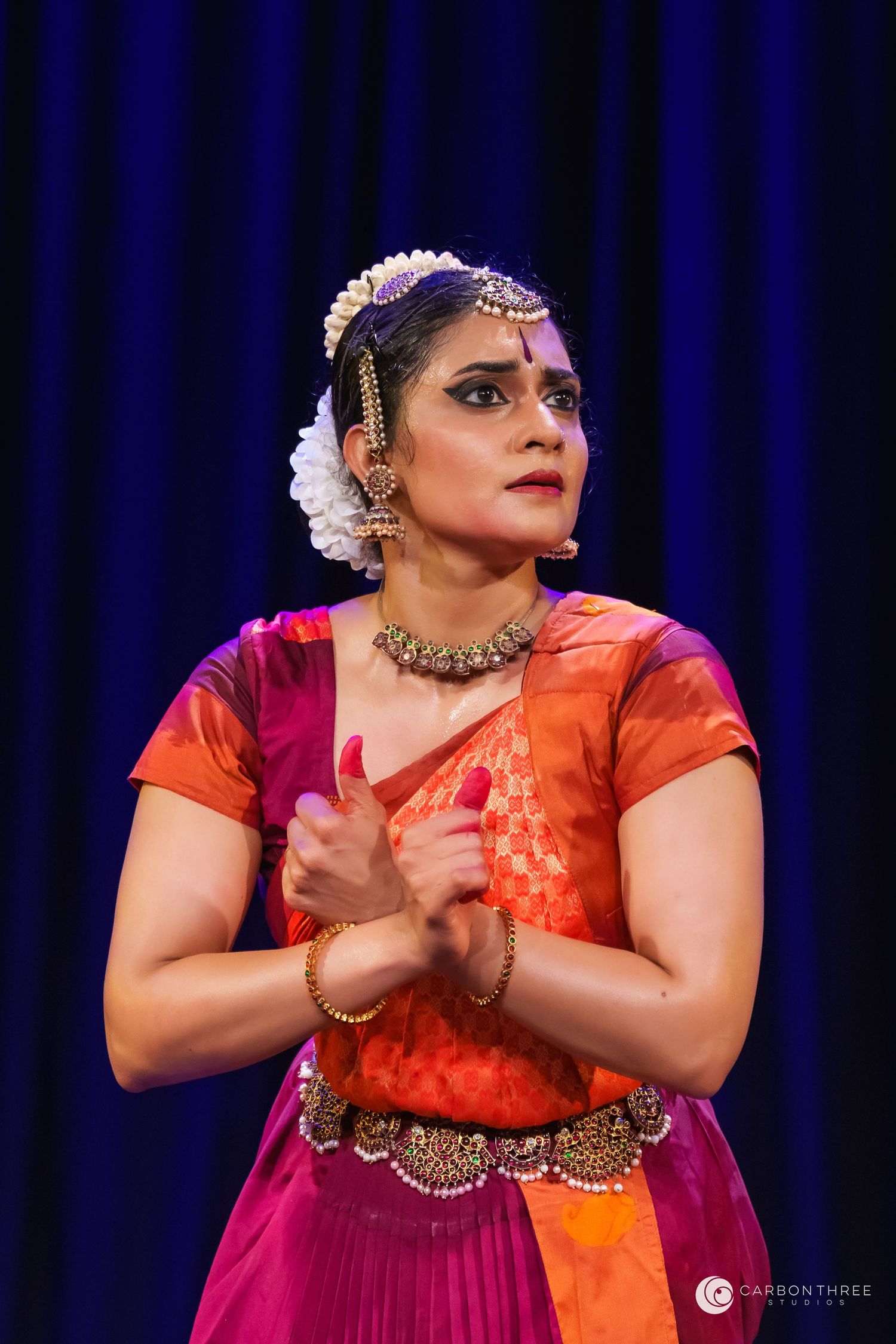
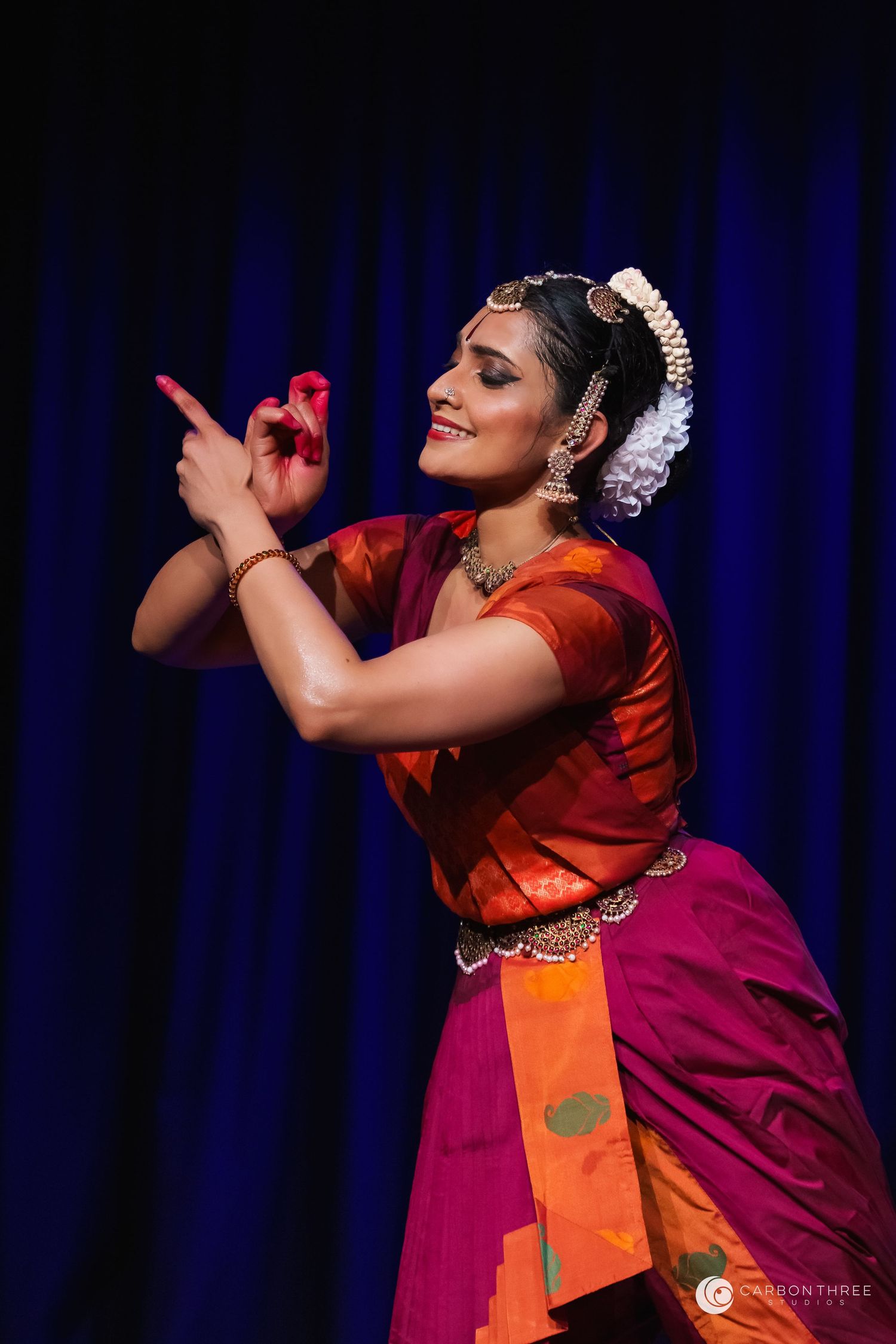
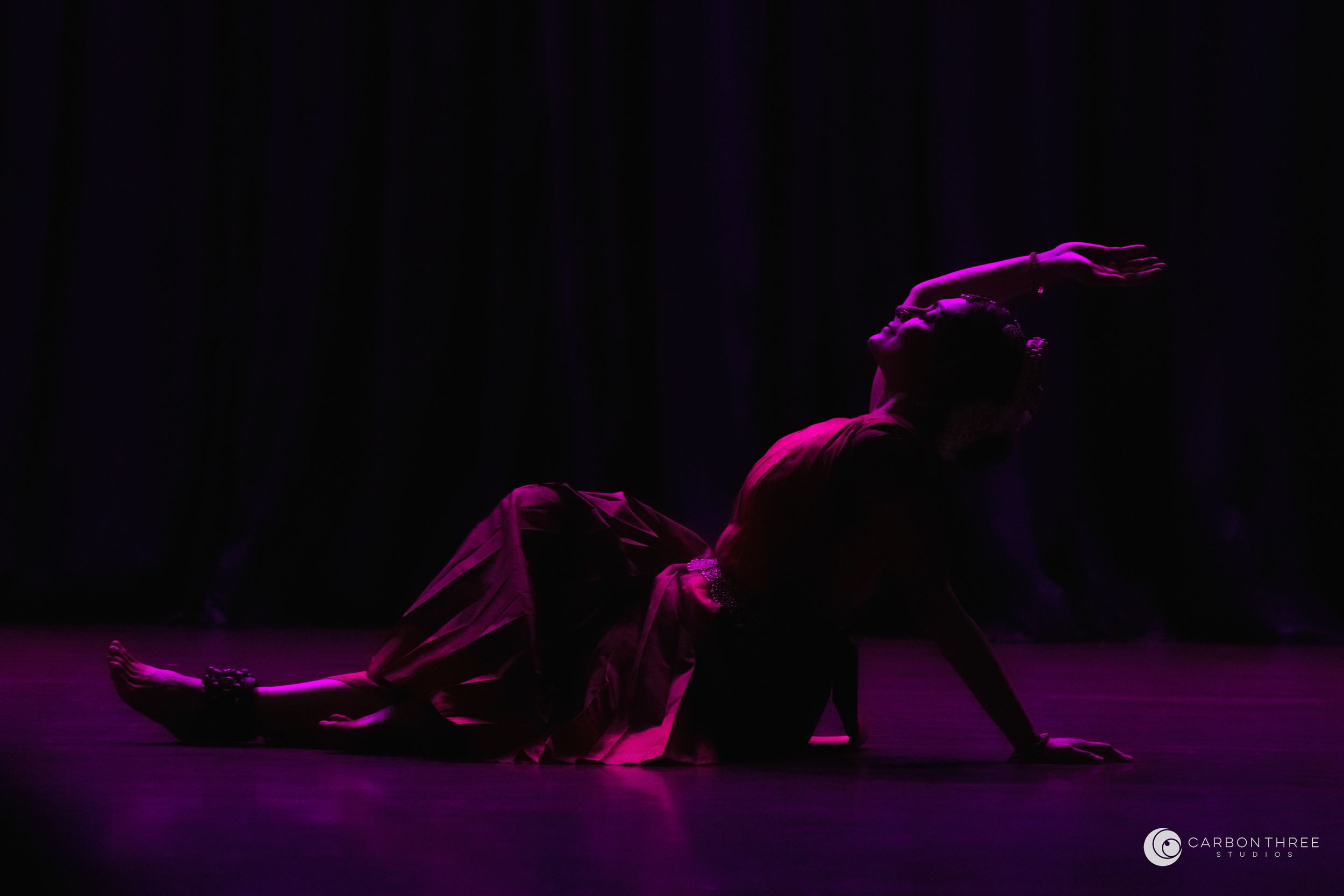
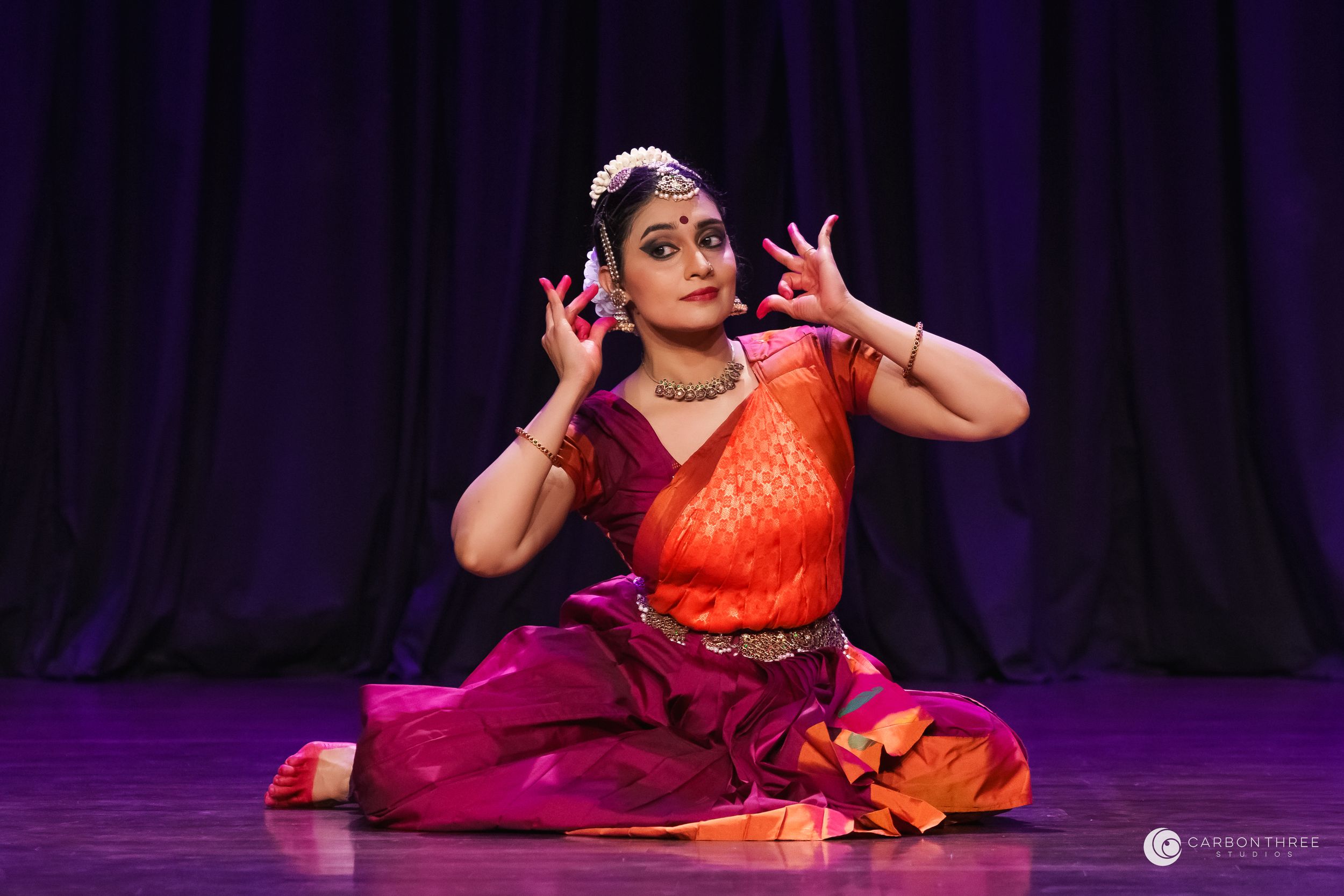
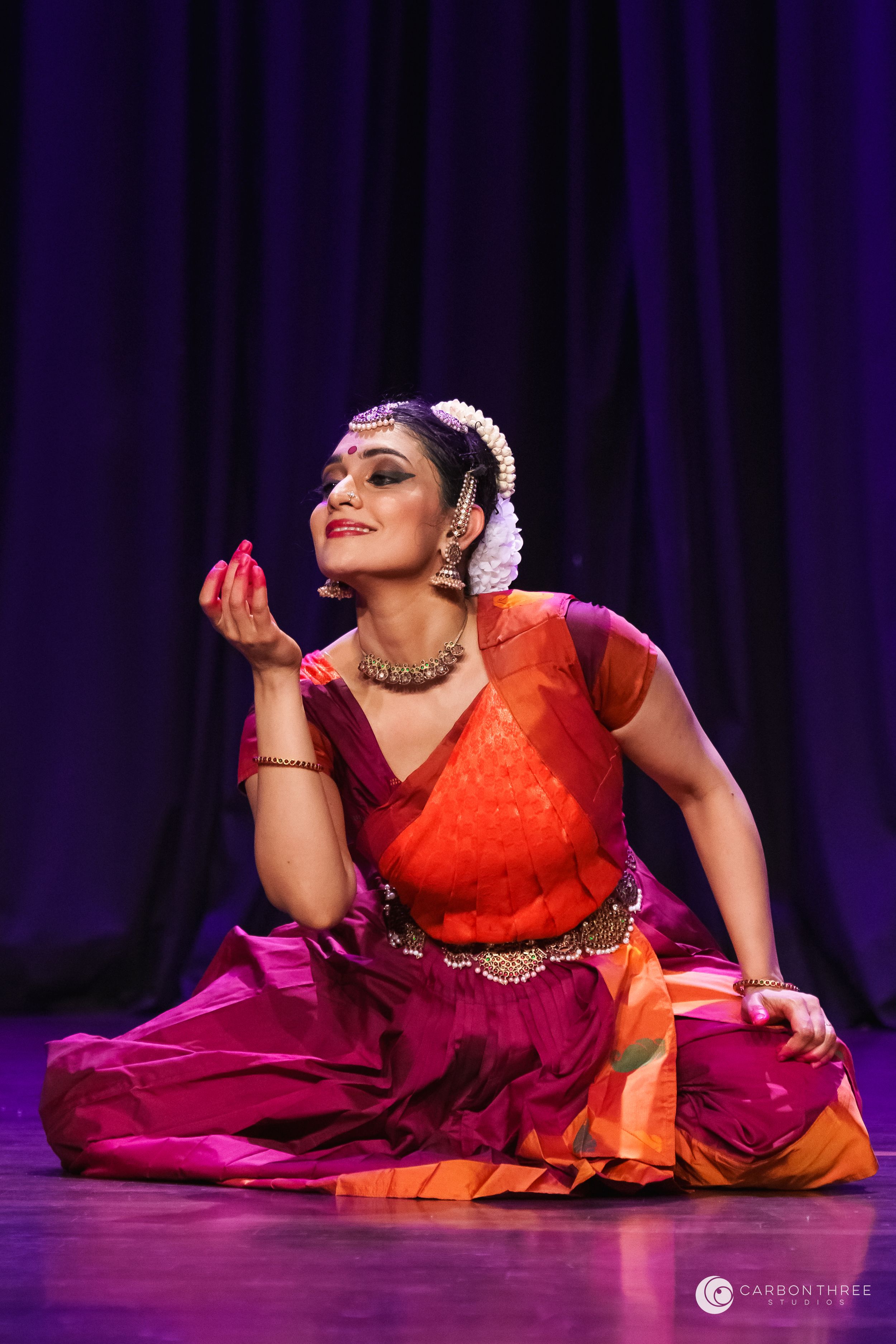
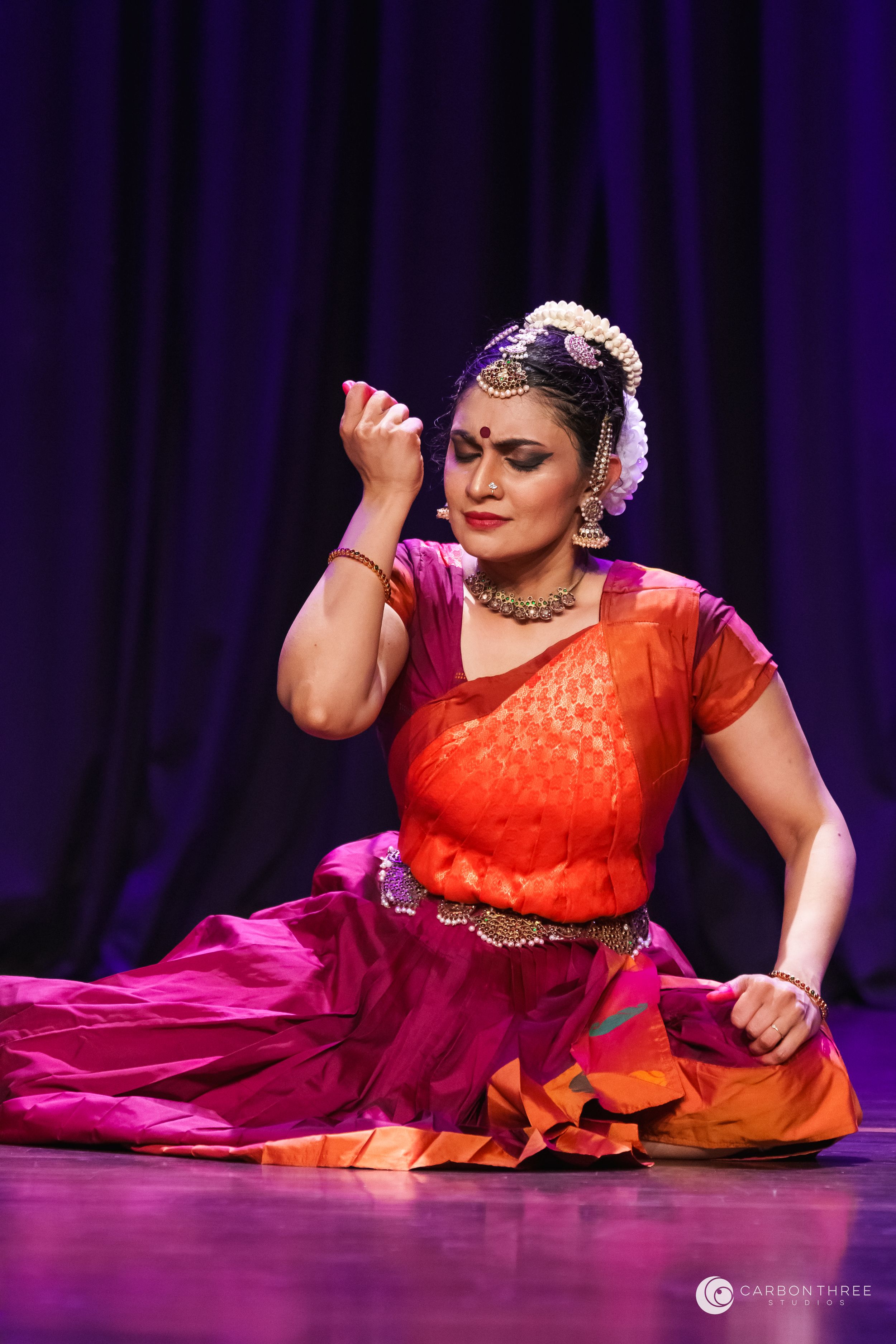
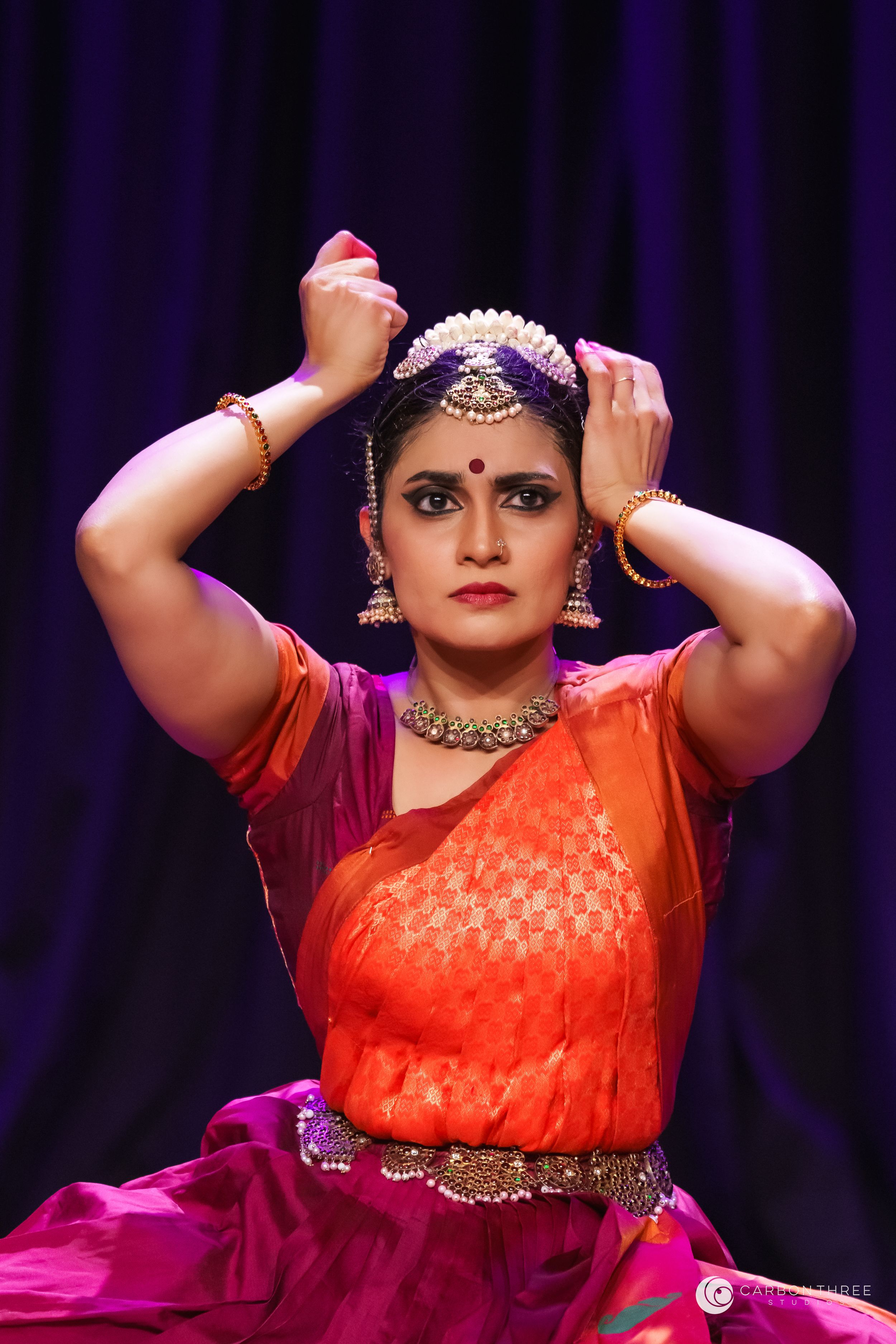
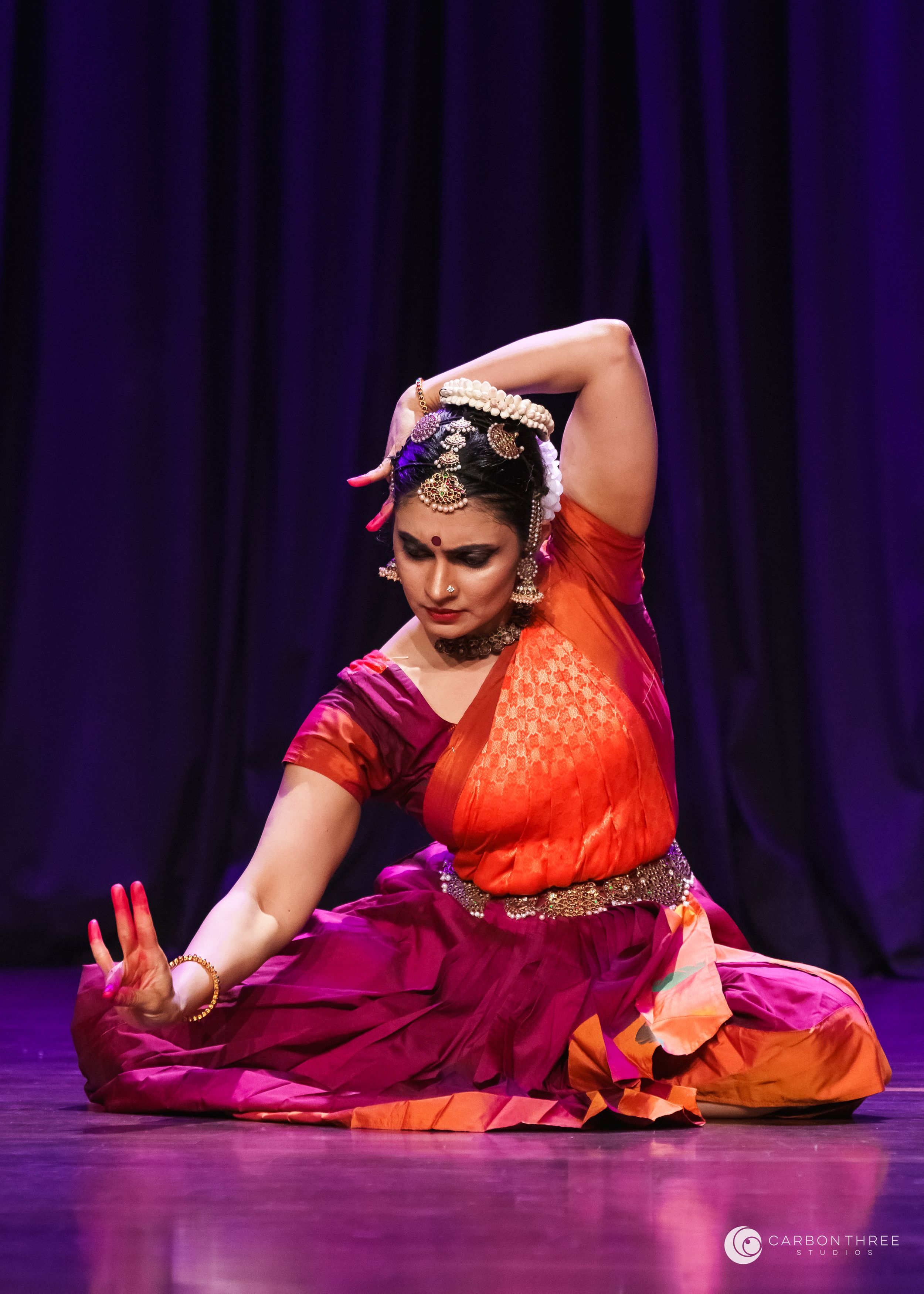
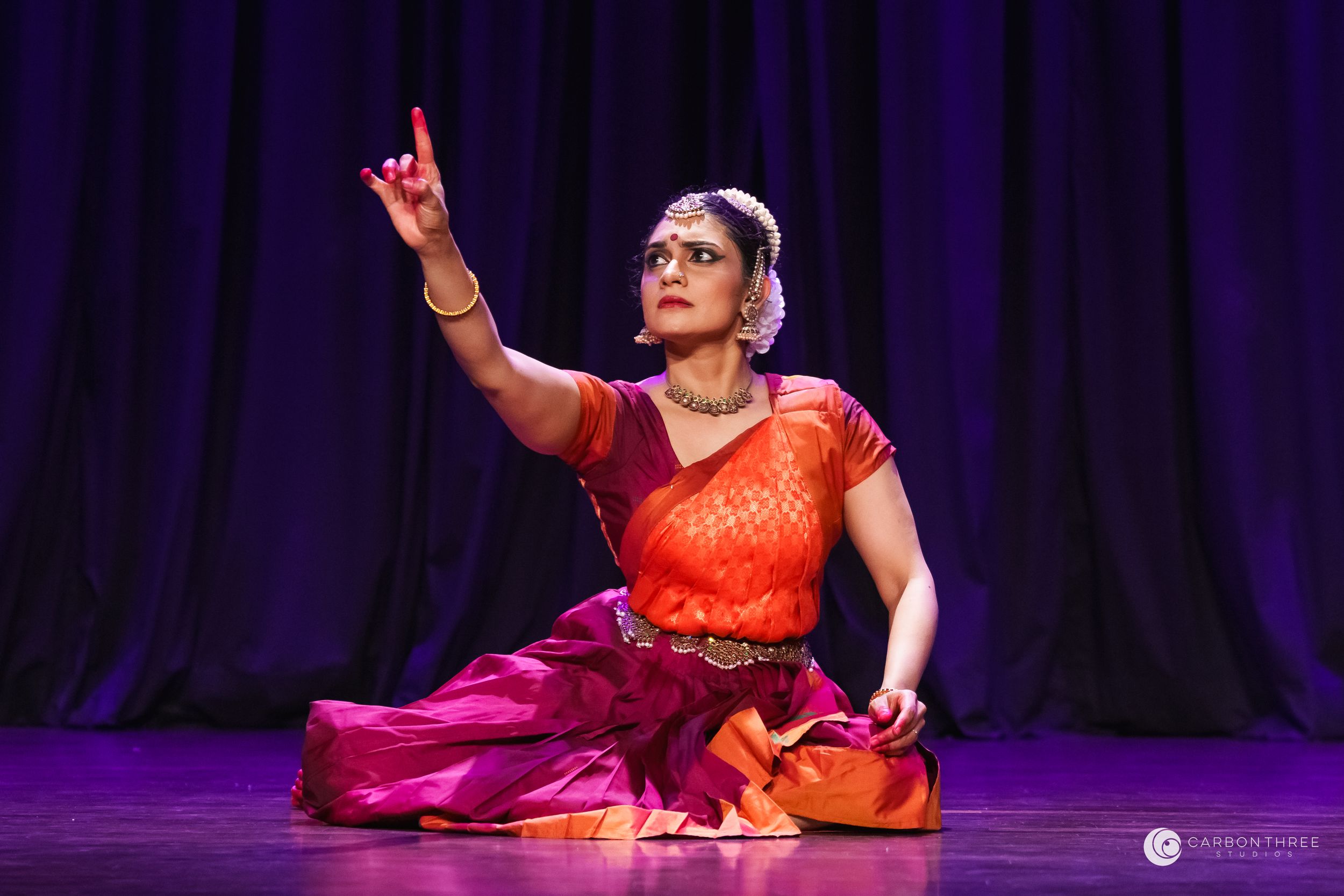
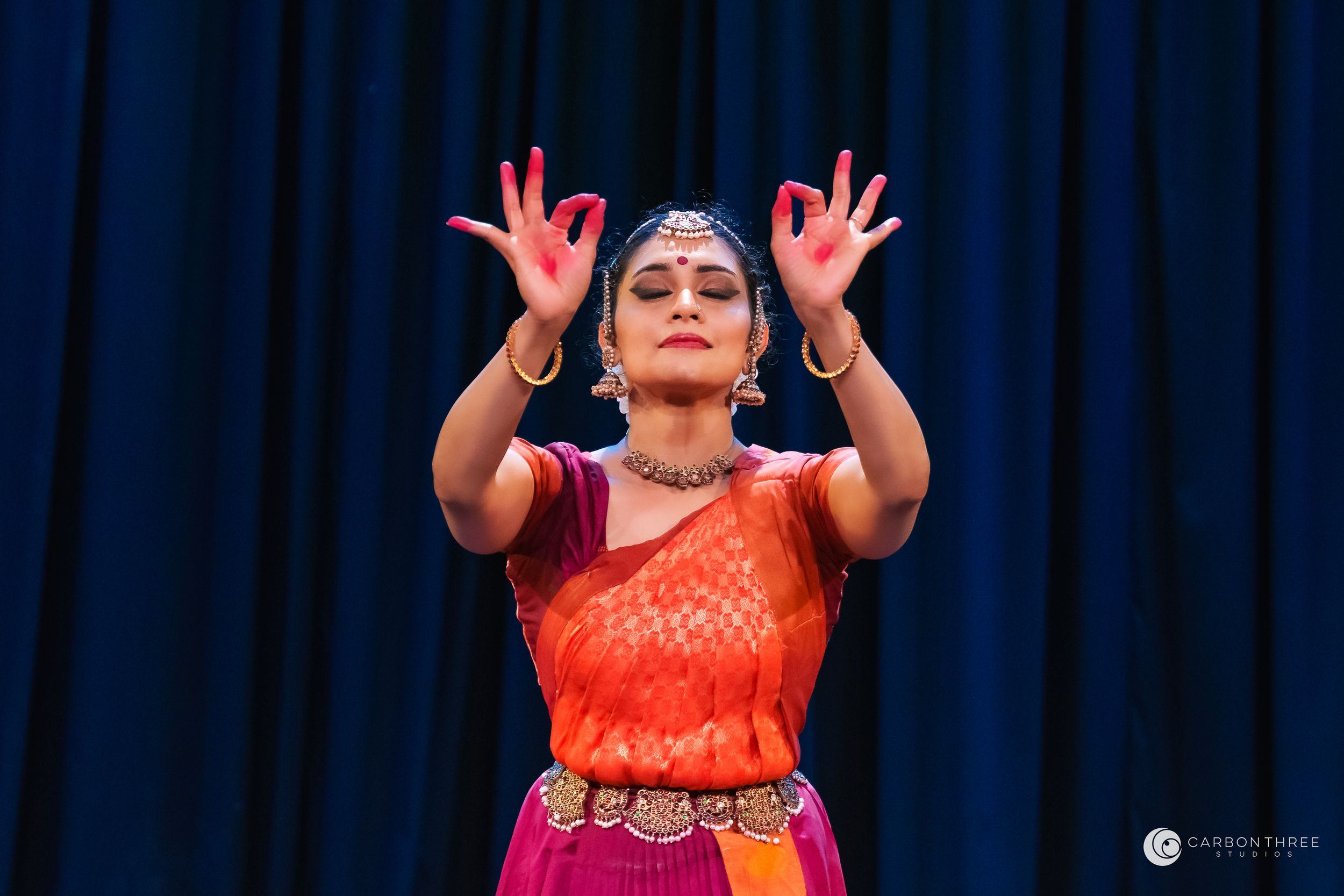
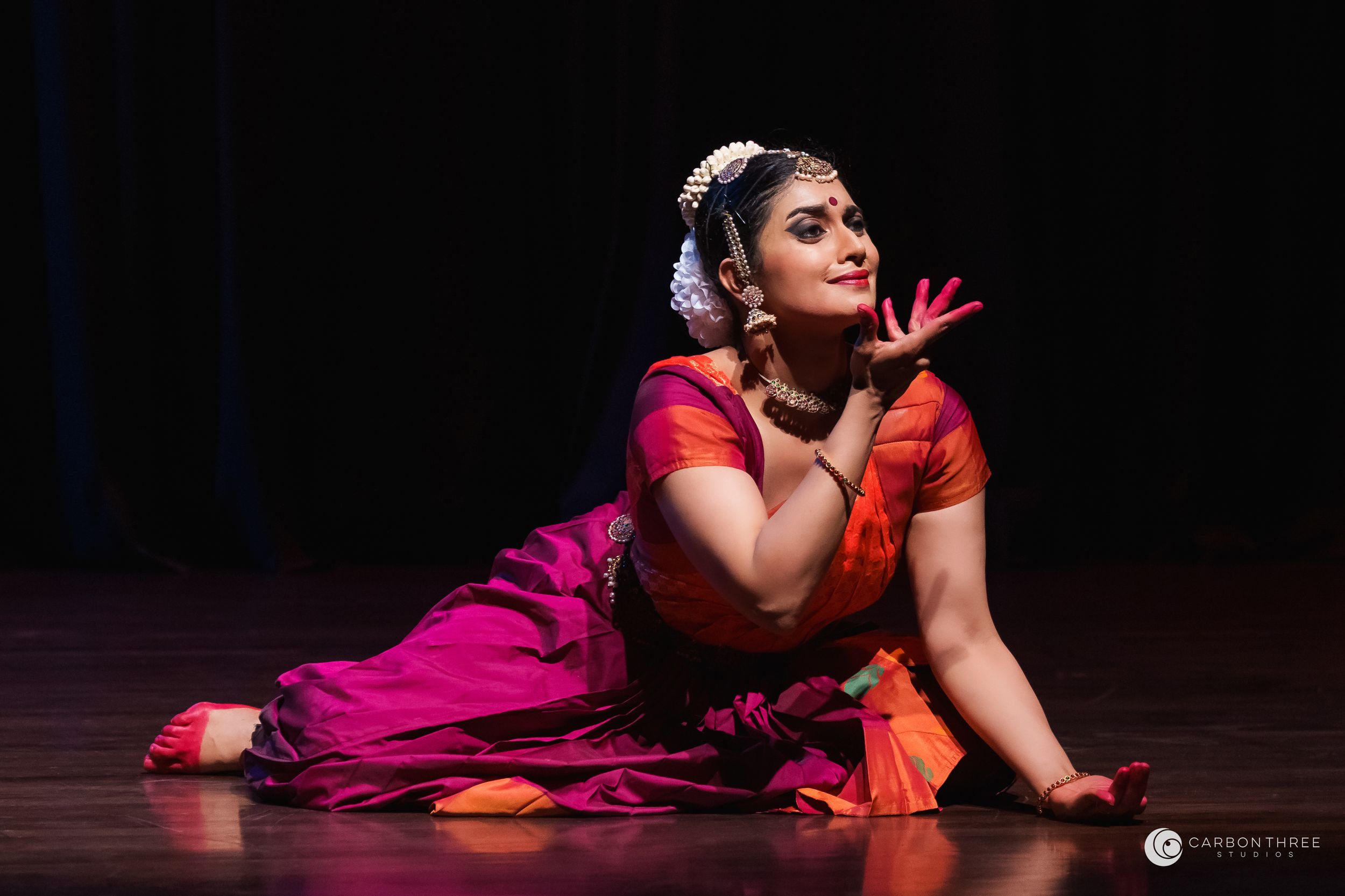
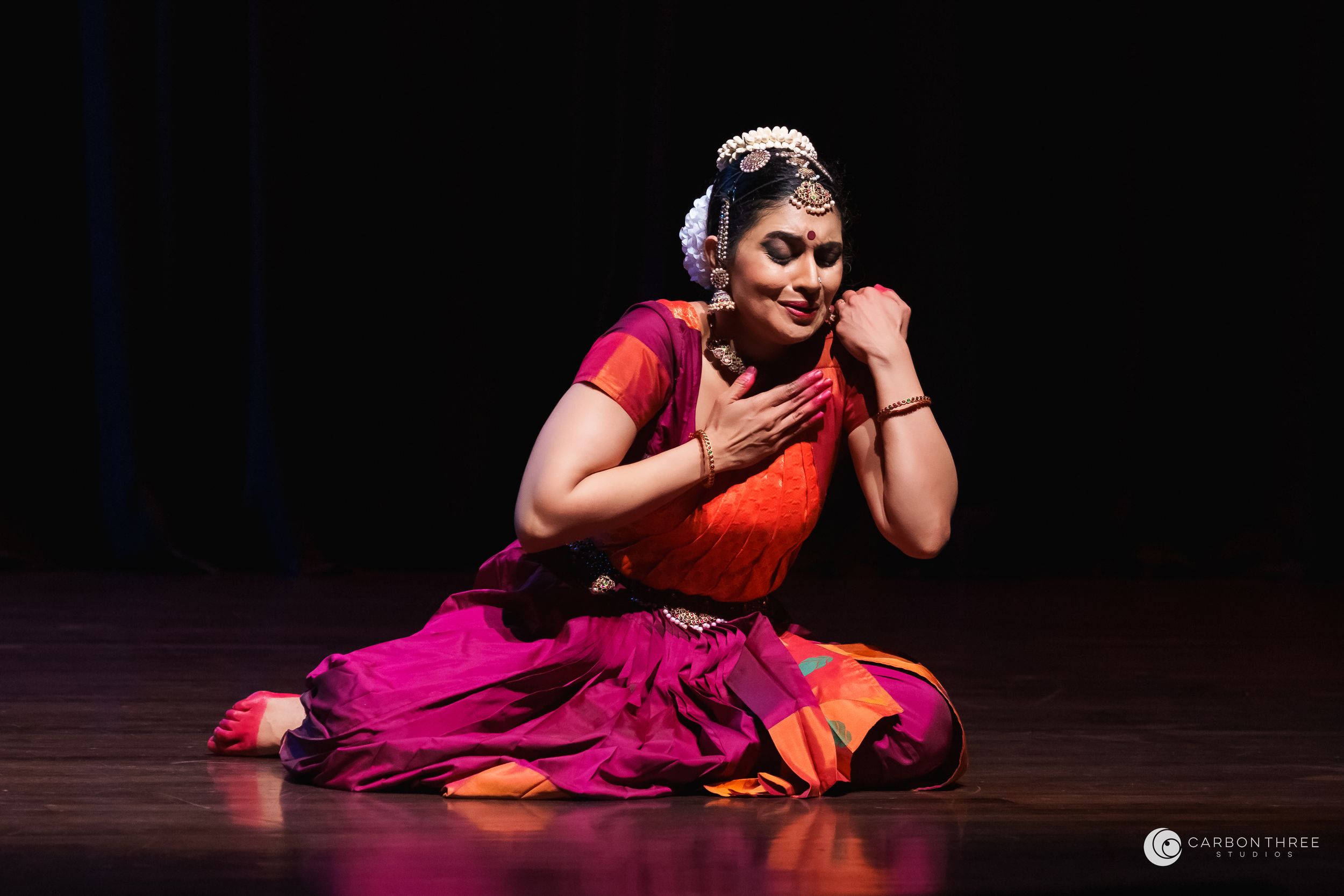
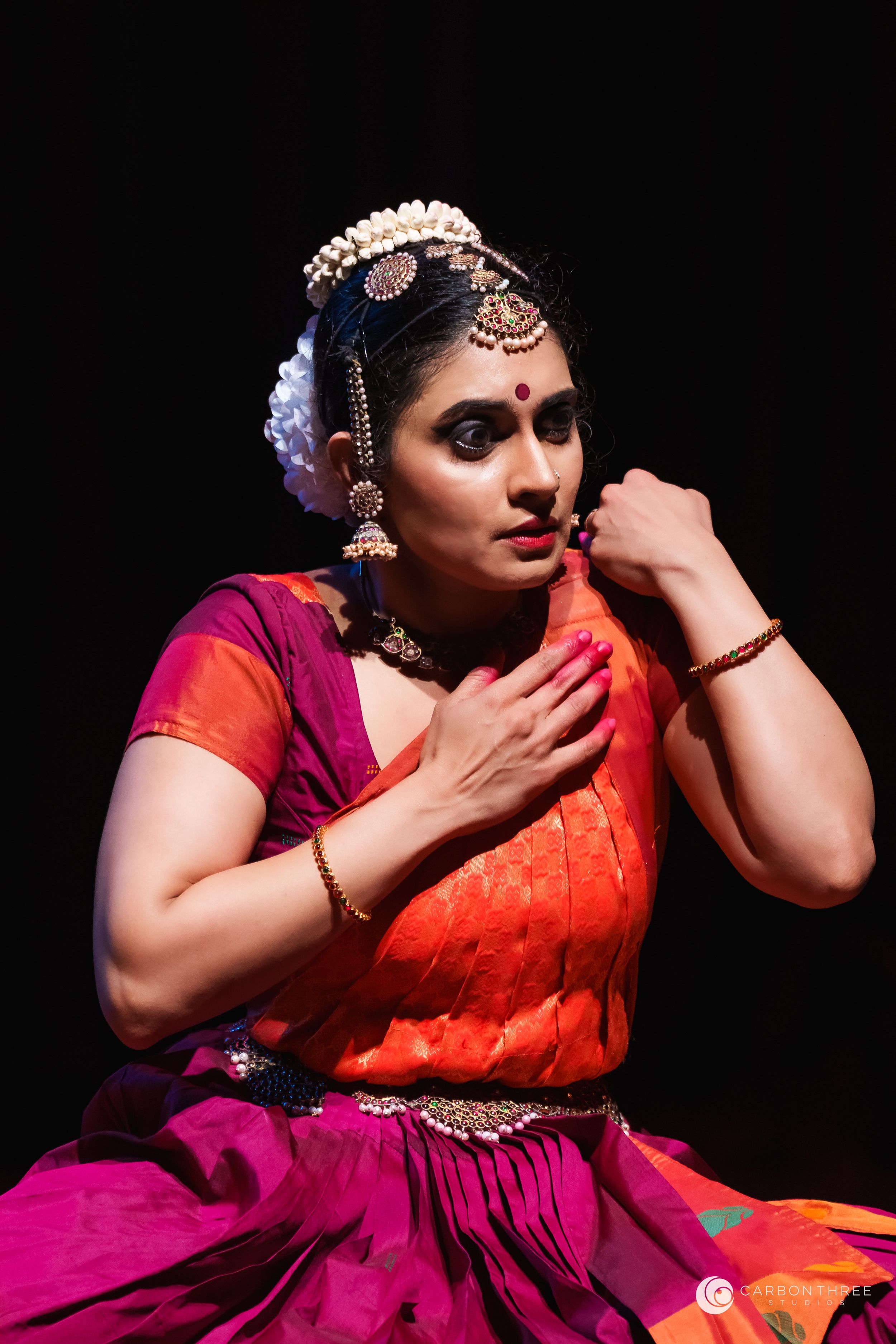
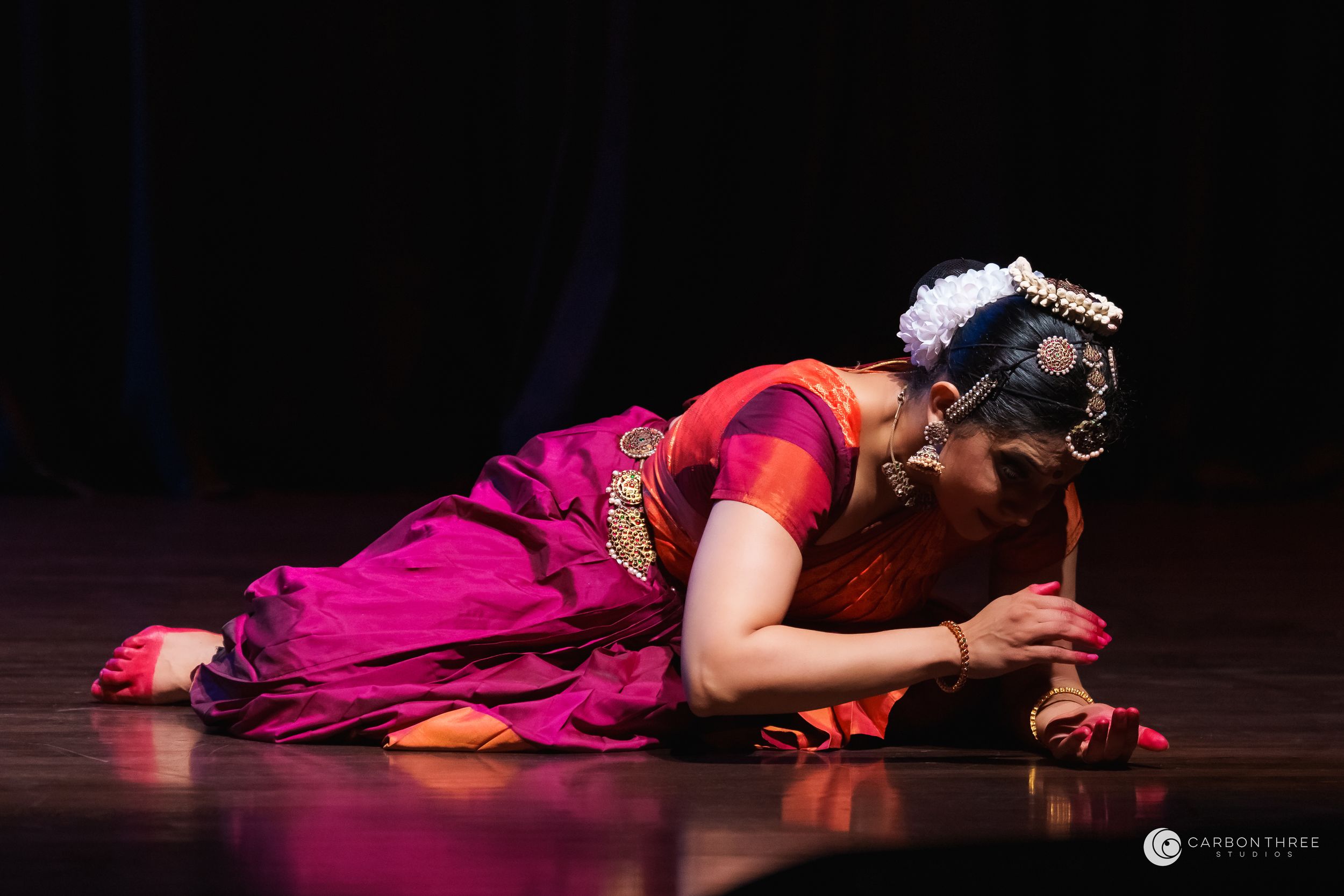
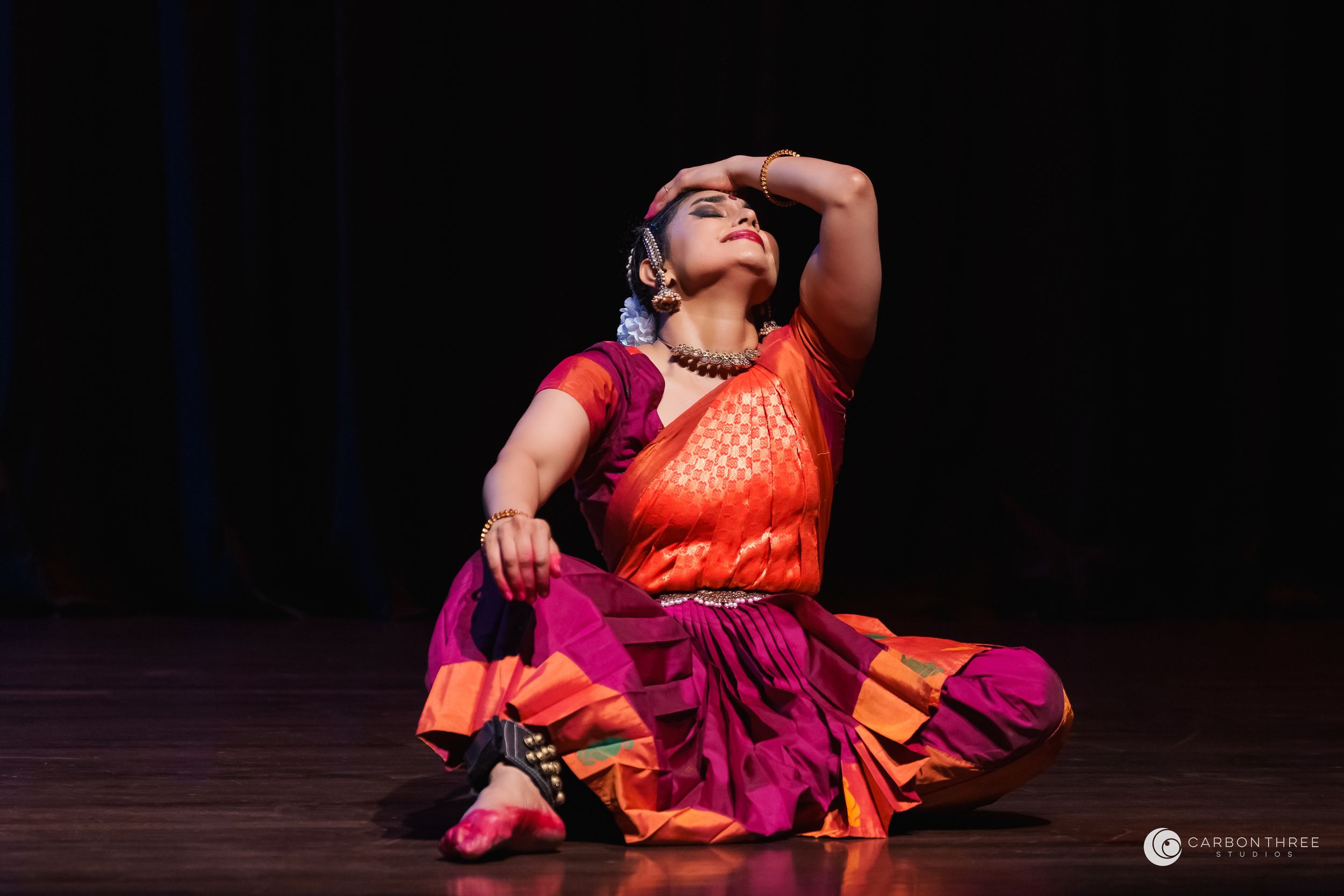
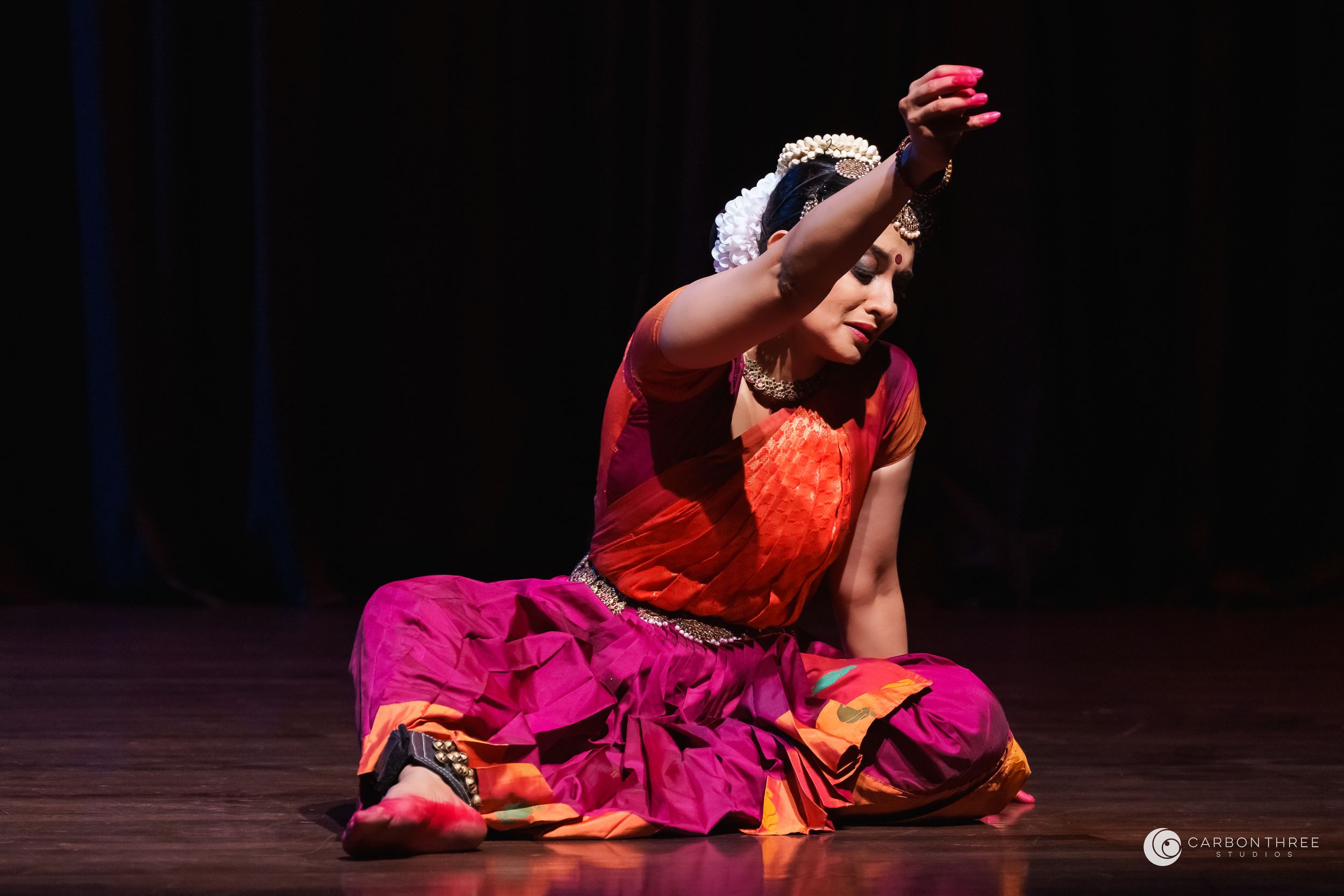
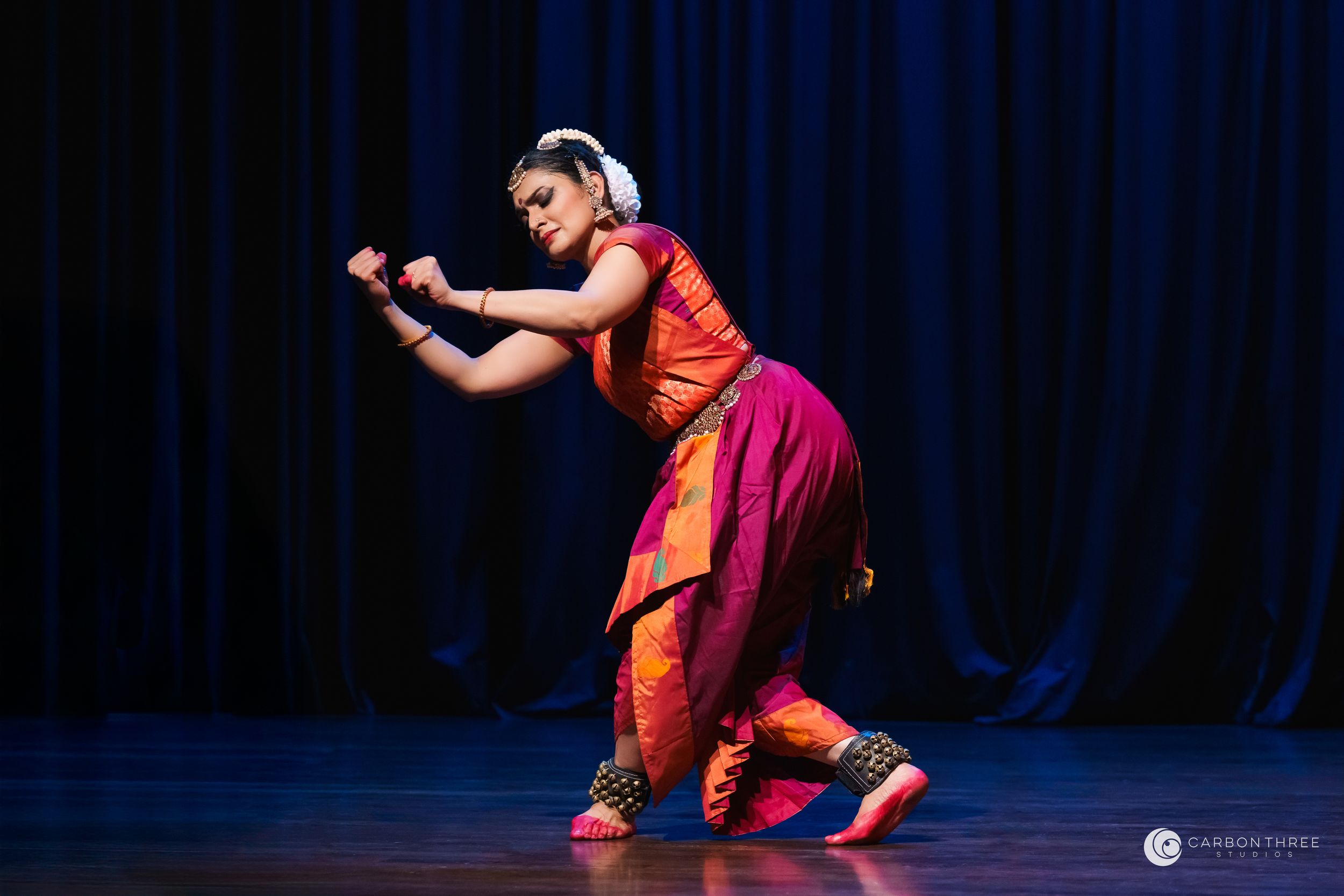
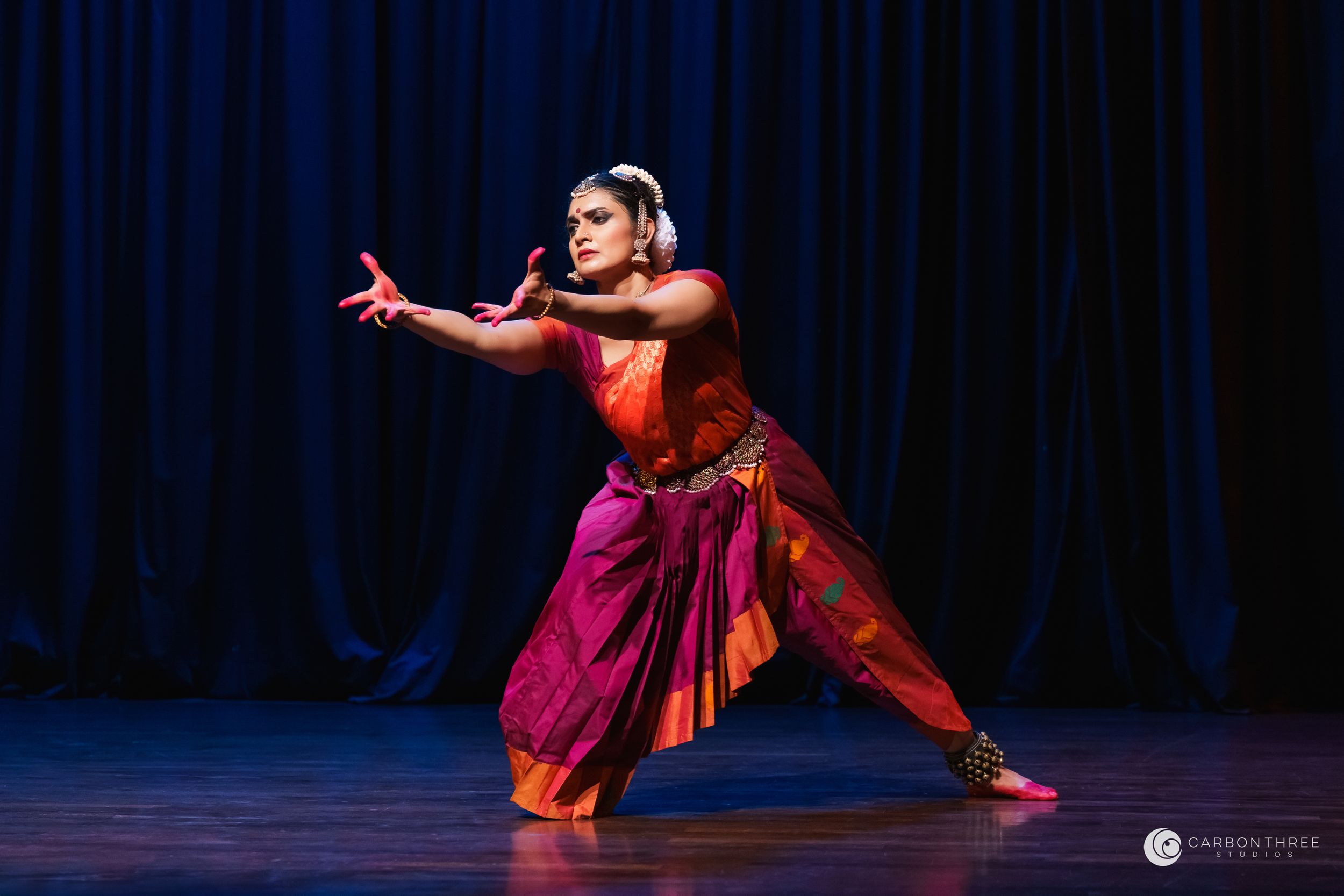
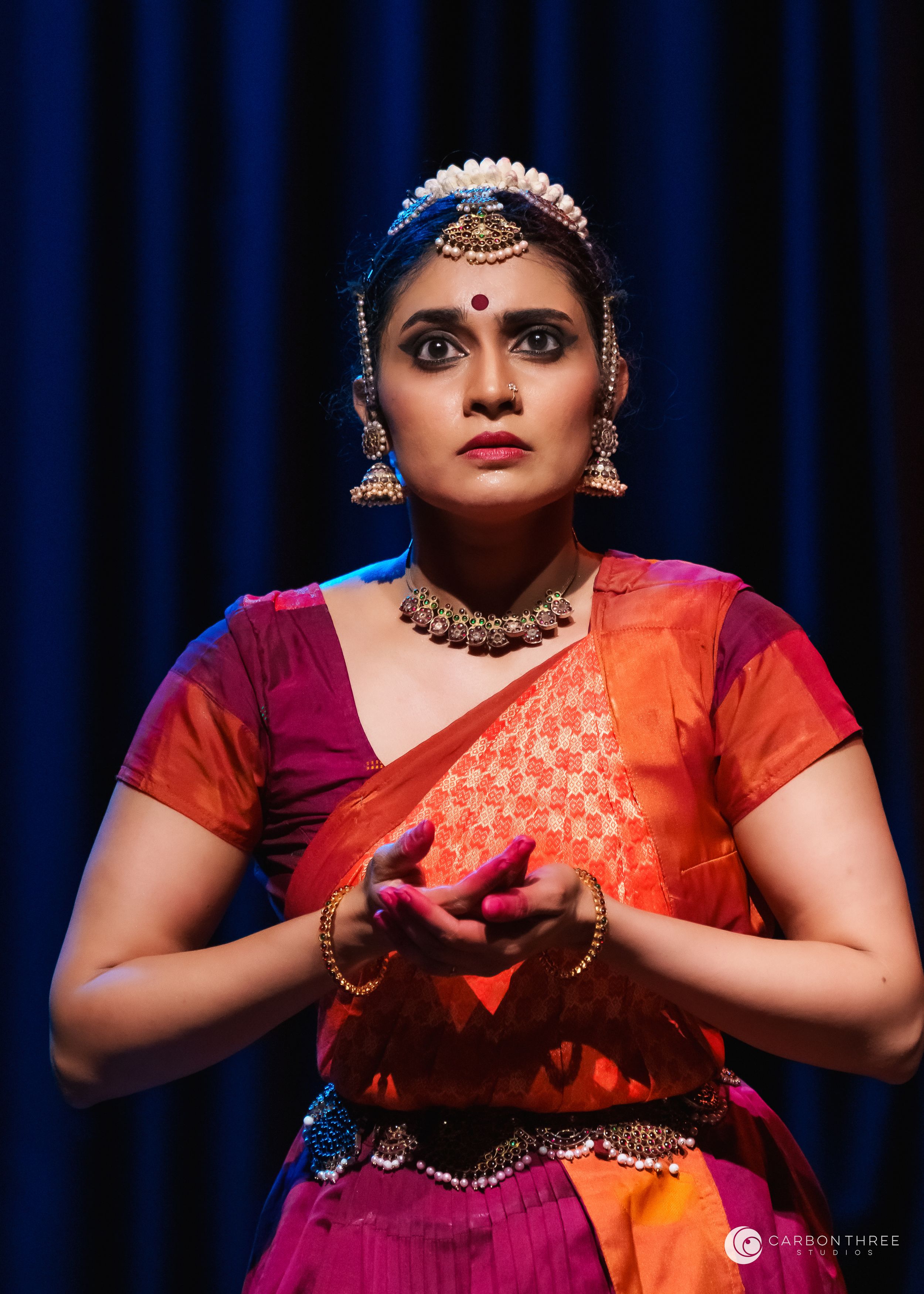
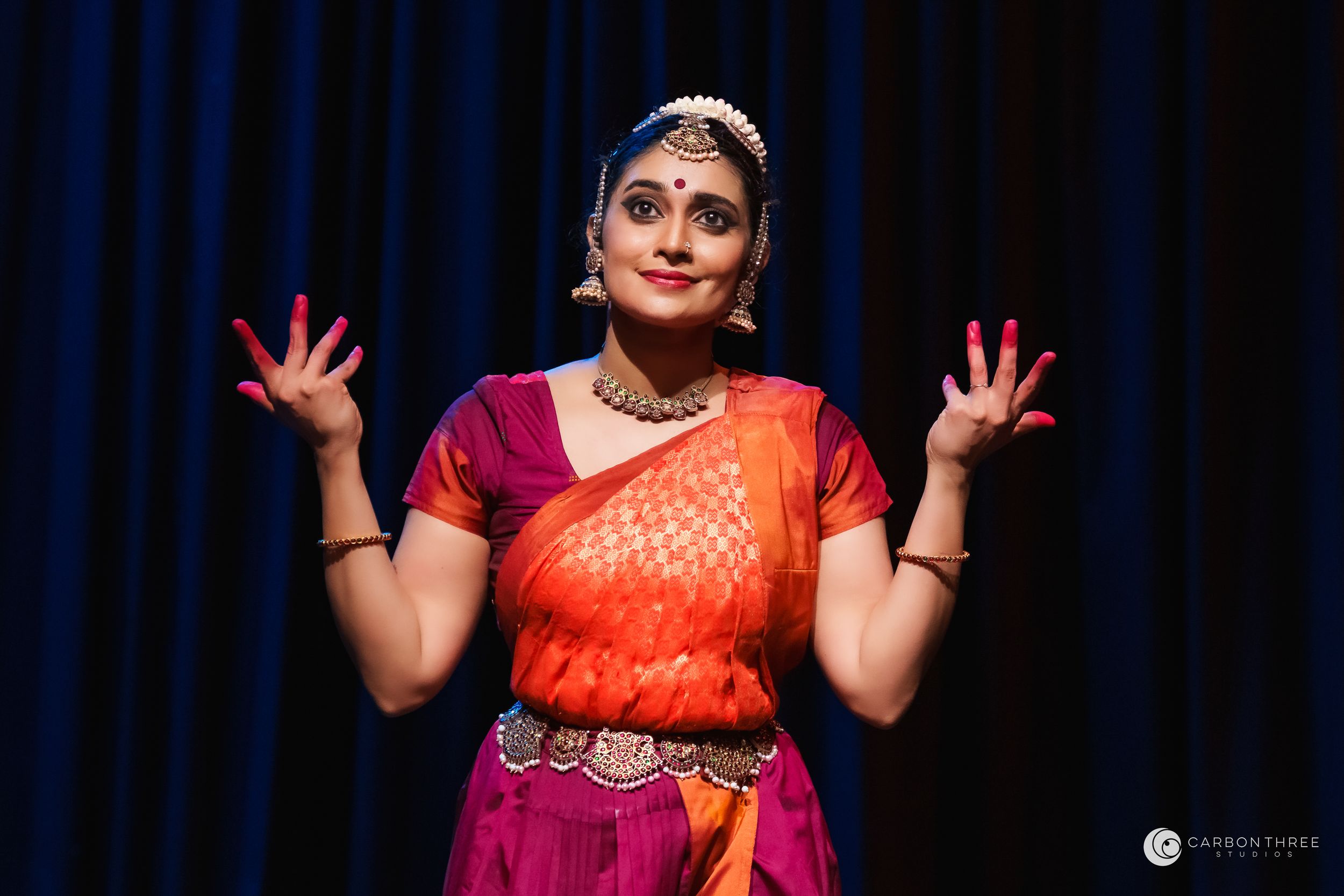
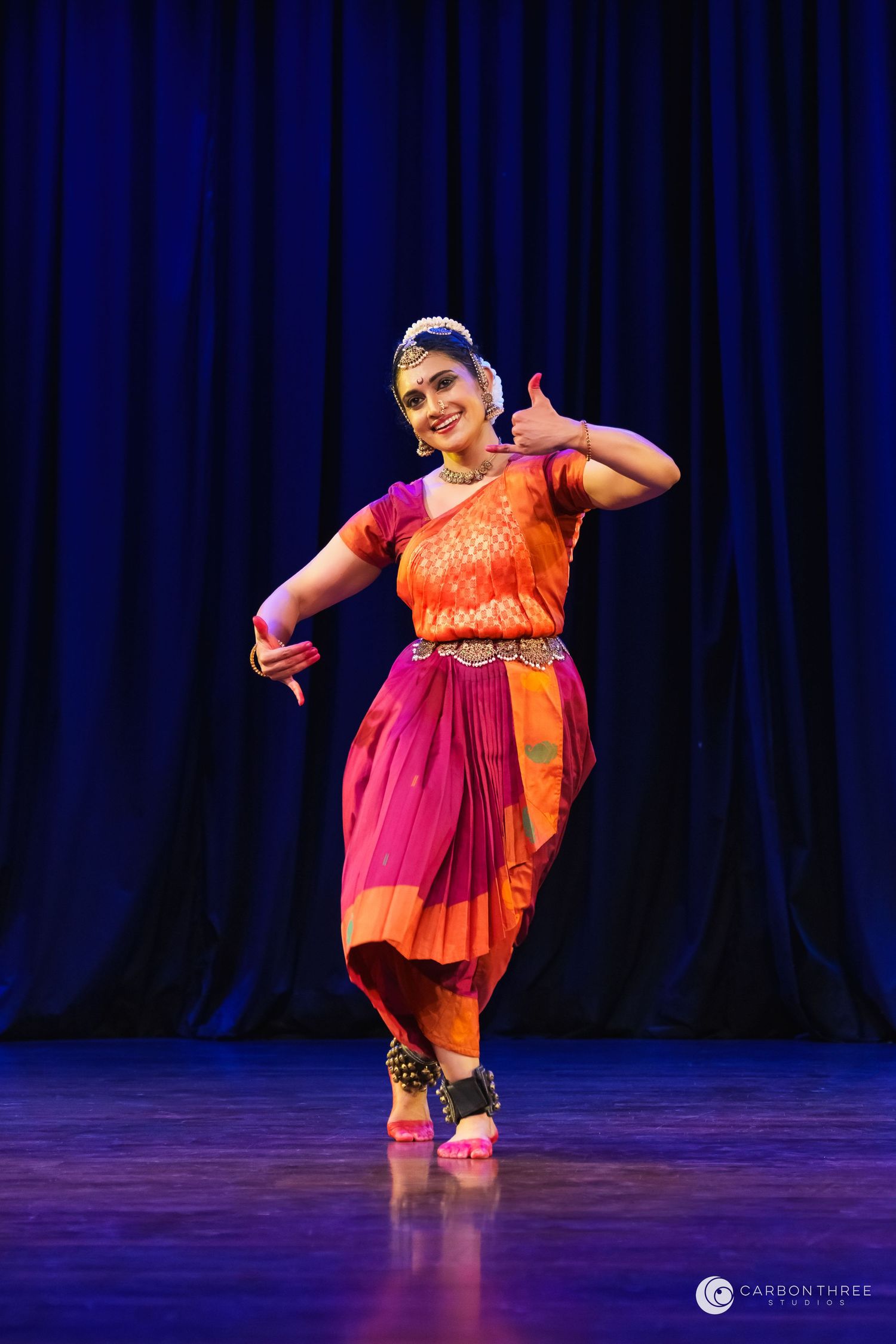
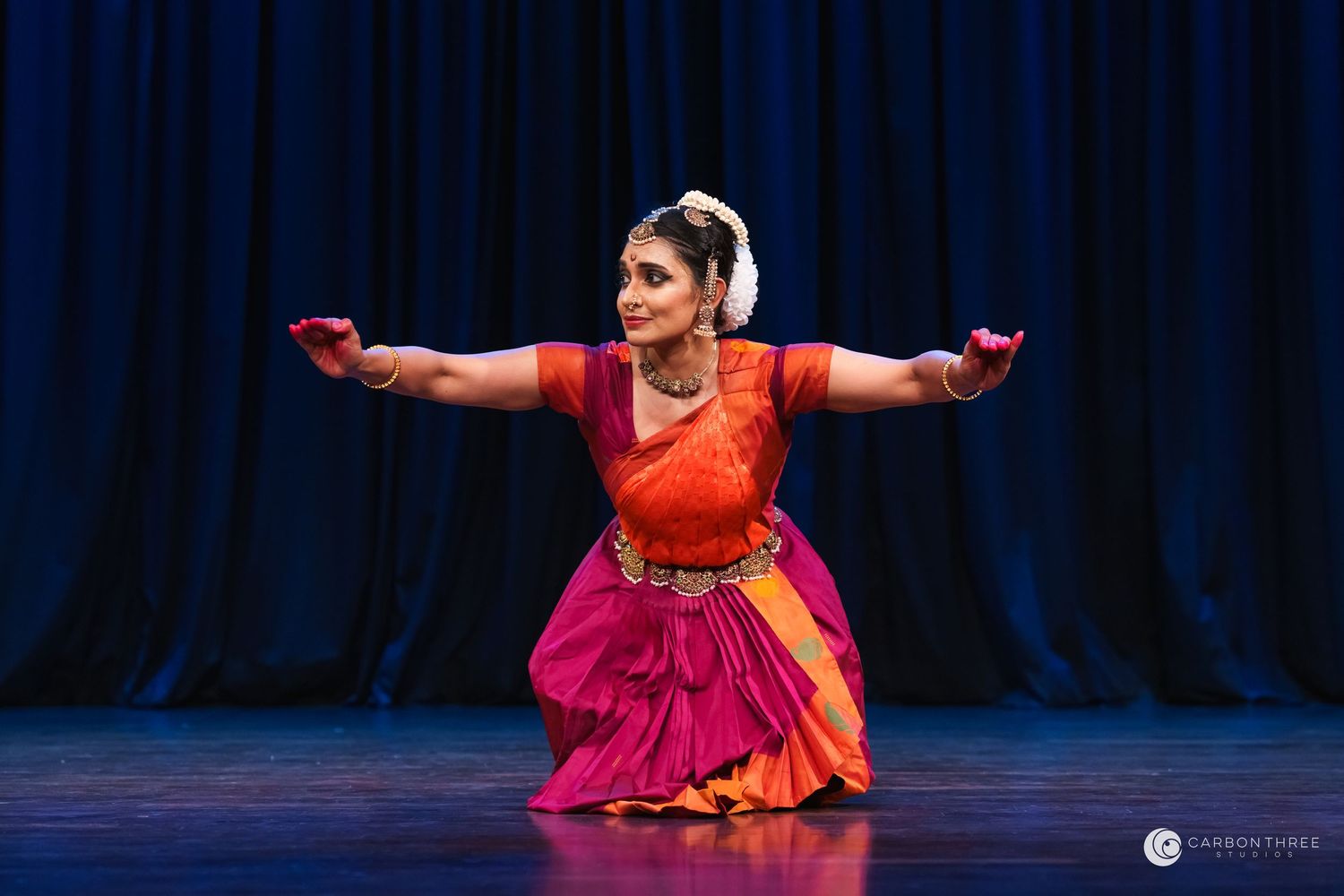
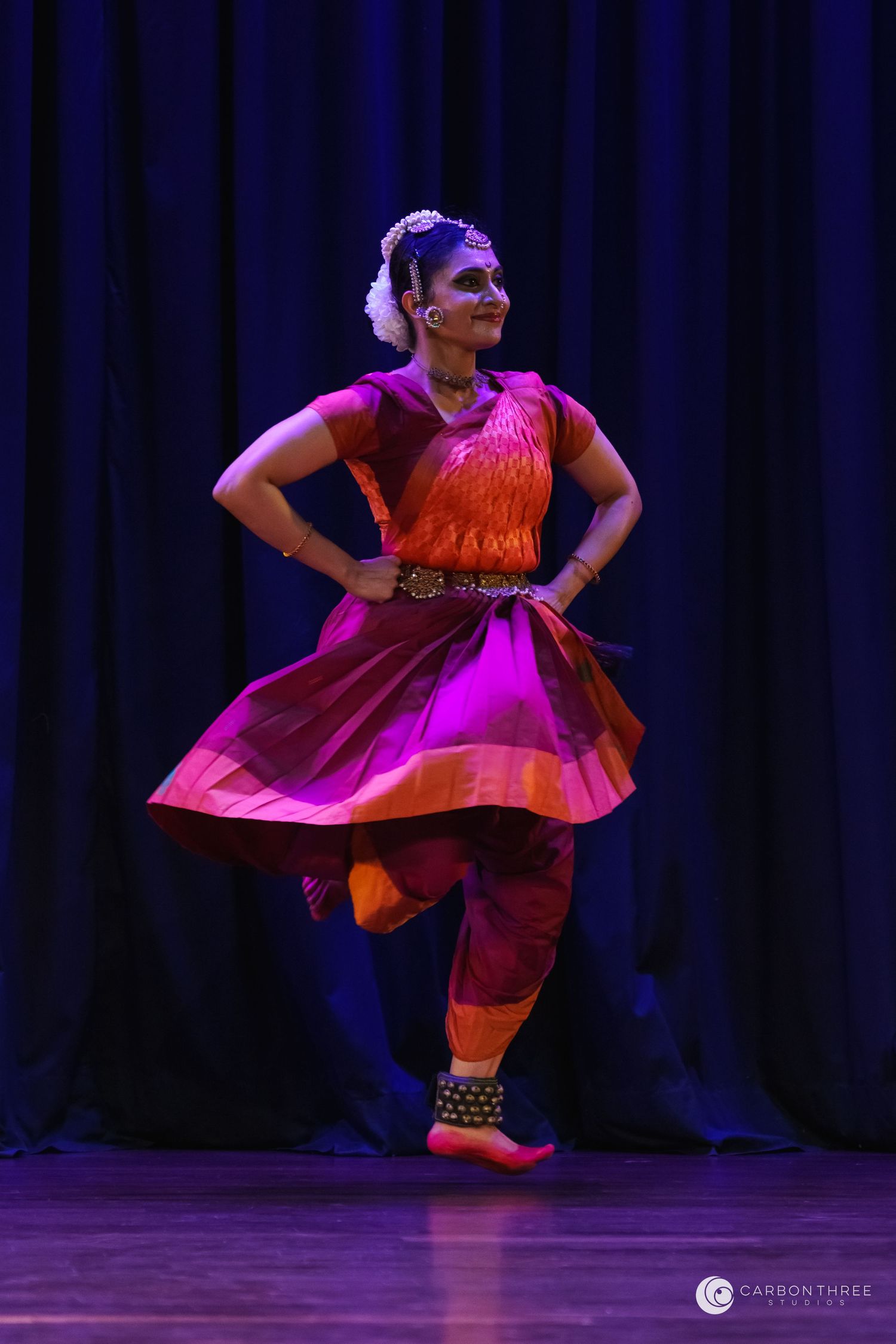
A five part experiential exploration of rare multilingual poetry tactfully woven into a Bharatanatyam repertoire inspired by the Akhyana musical-theatre tradition from Gujarat & Rajasthan. This work stems from the artist's diverse encounters with heart-wrenching poetic expressions of women from across timelines and geographies, in a quest to unearth forgotten narratives ‘by’, ‘for’, and ‘of’ women. The poems were thoughtfully interpreted by Divya Ravi into well choreographed movements, creating a visual and emotional connection.
Savitribai Phule
Savitribai Phule, a pioneering female educator, social reformer, and poet, worked to advance women’s rights and educational opportunities in India, particularly in Maharashtra. One of her poems from “Kavya Phule” emphasizes the importance of education as a tool to overcome ignorance and poverty, urging women and children to attend school. This performance served as an elegant tribute, highlighting the enduring relevance of Phule’s vision.
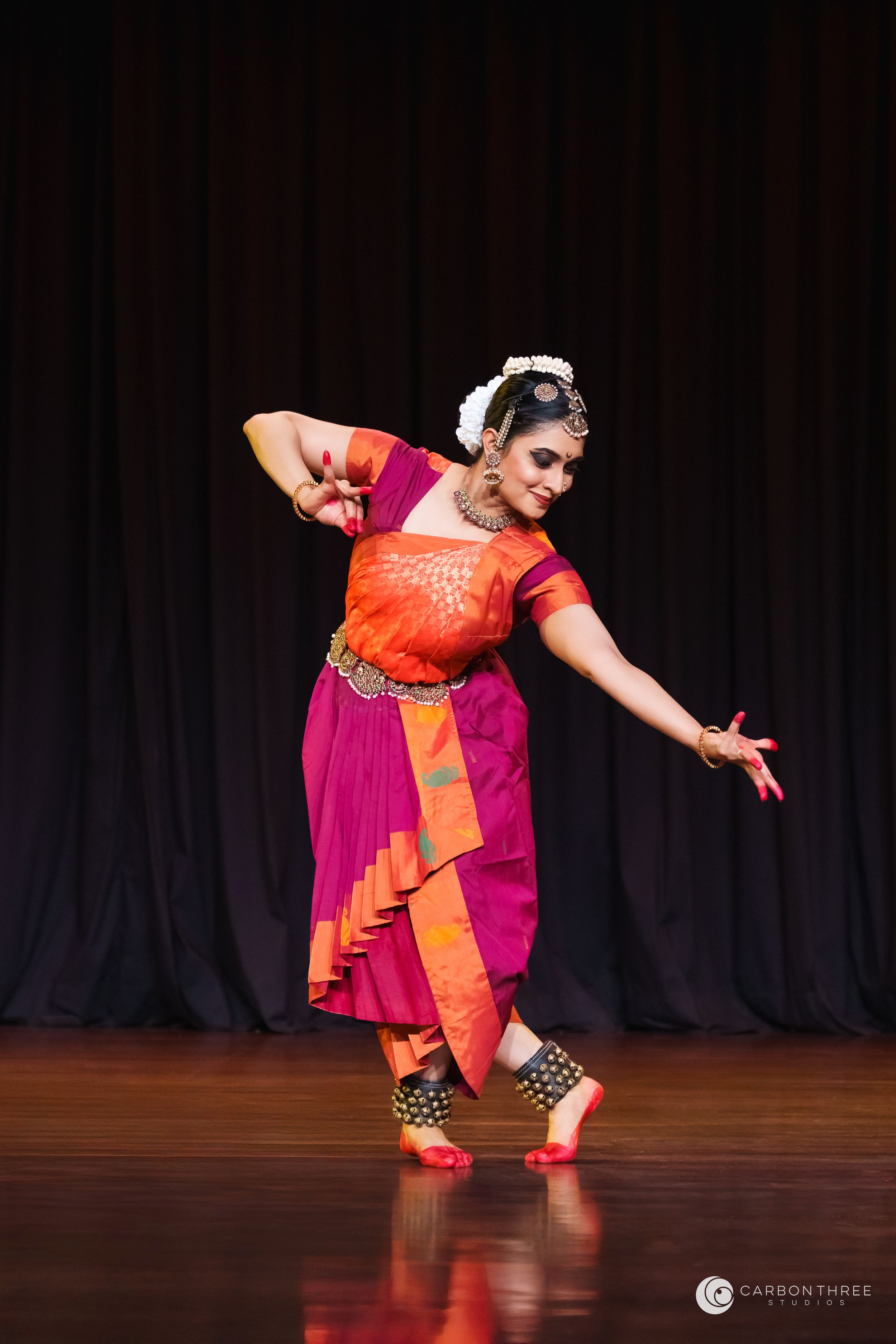
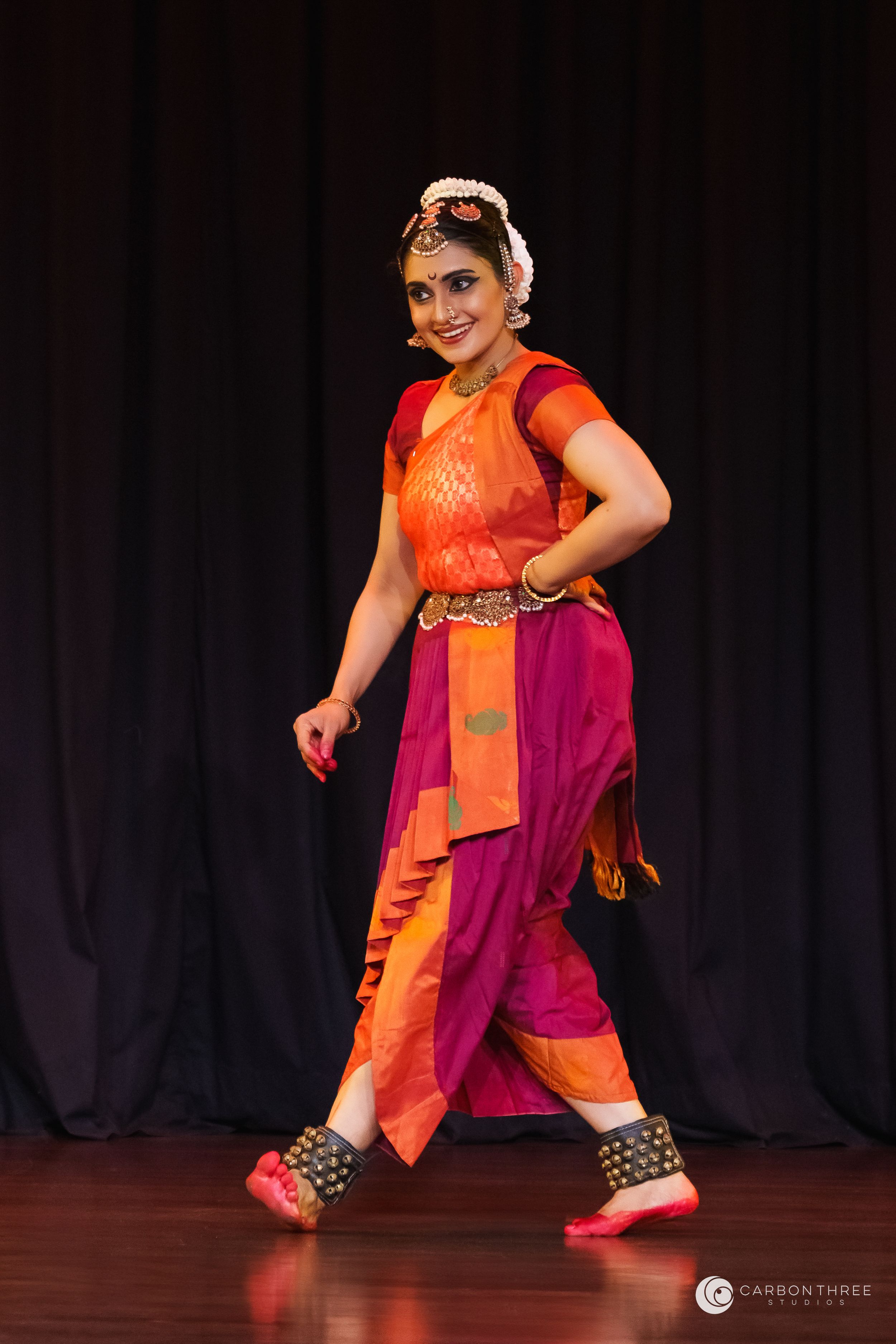
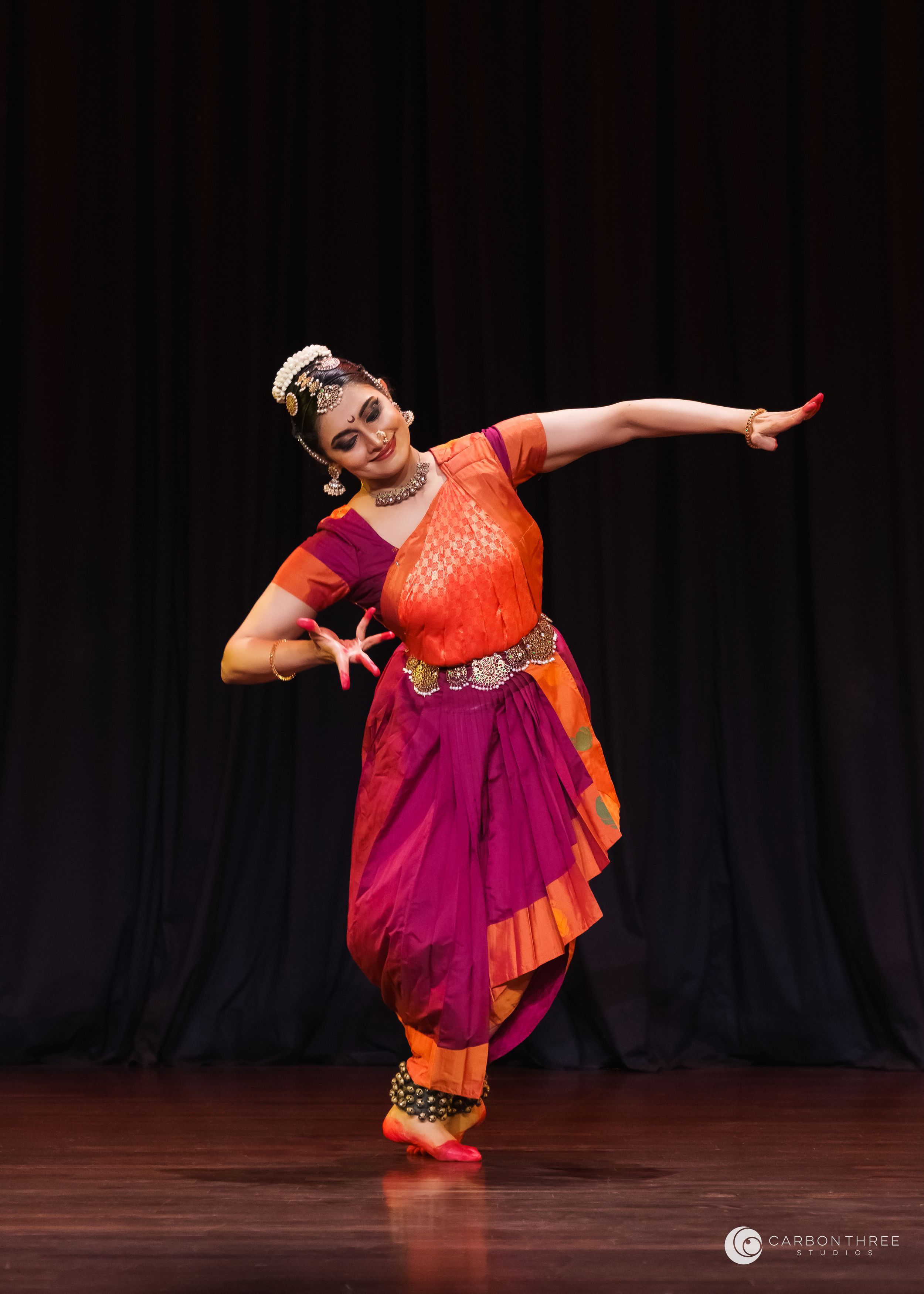
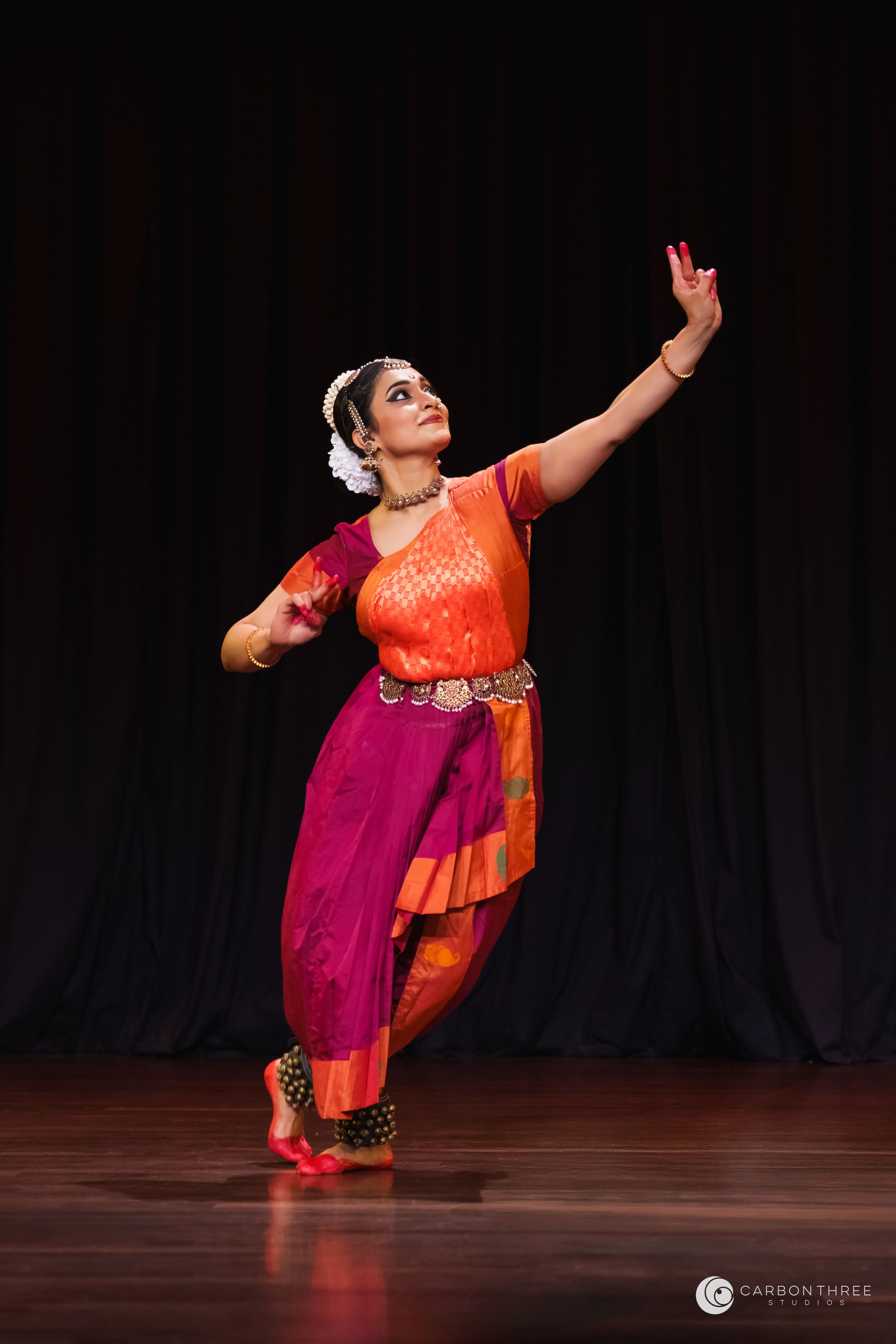
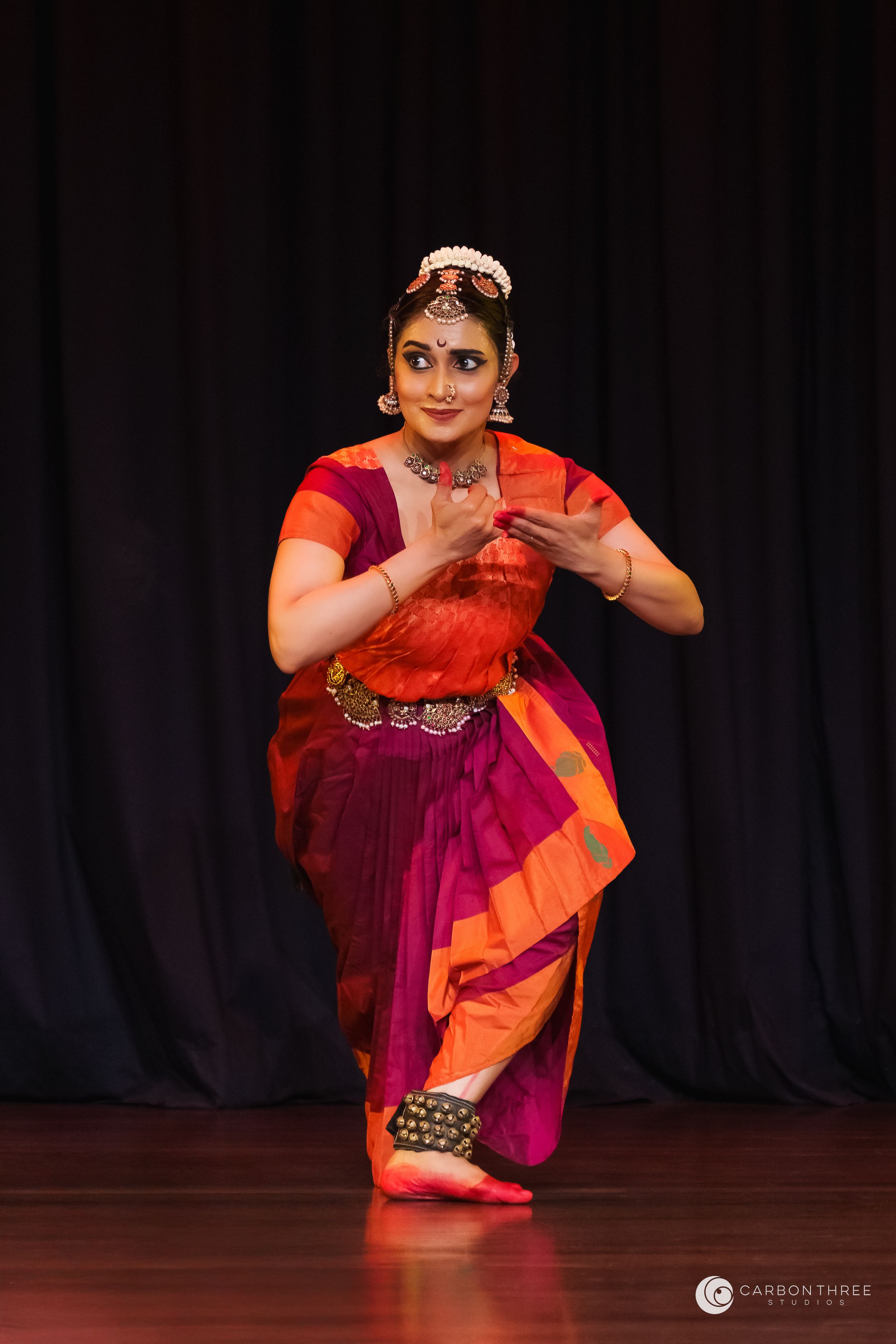
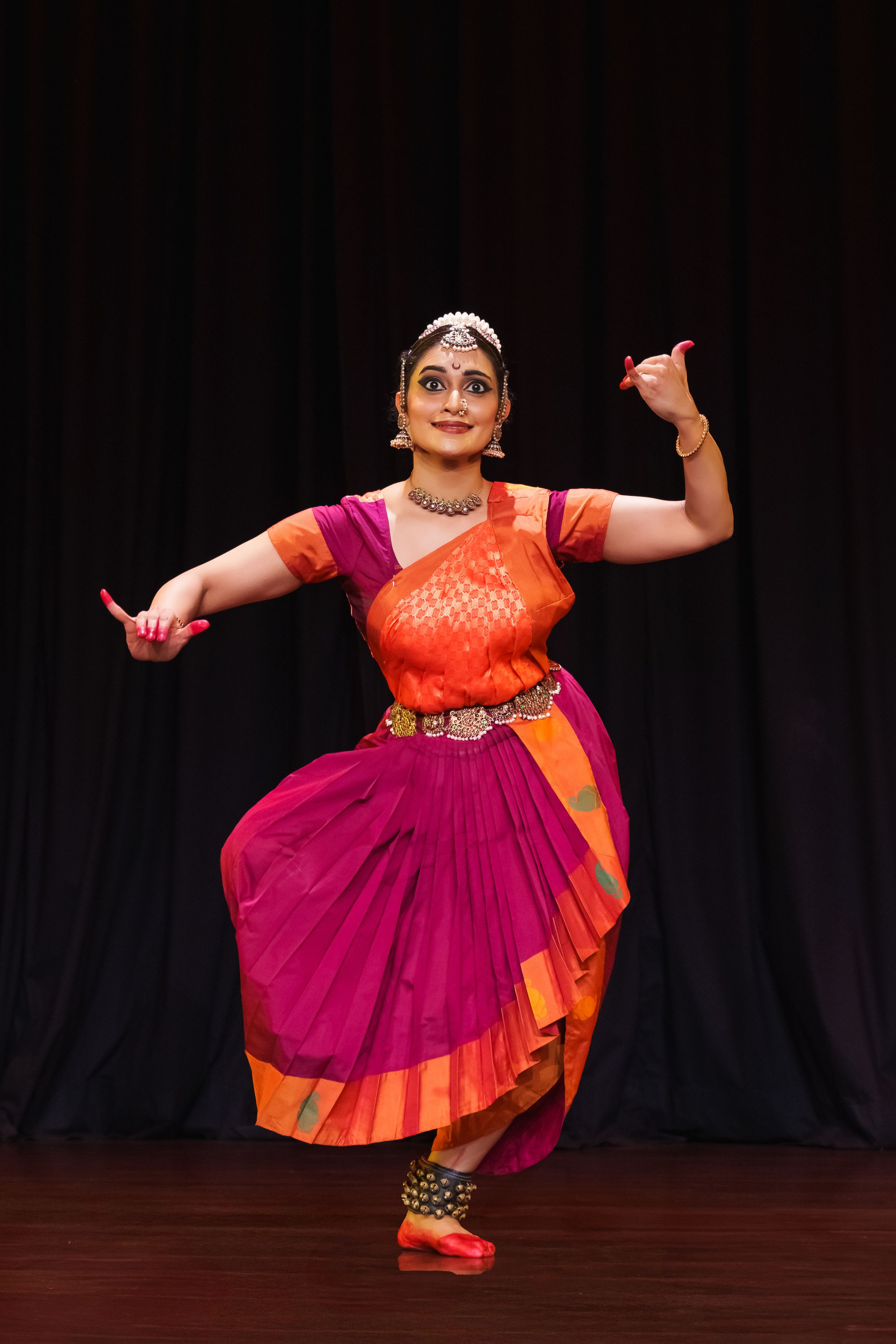
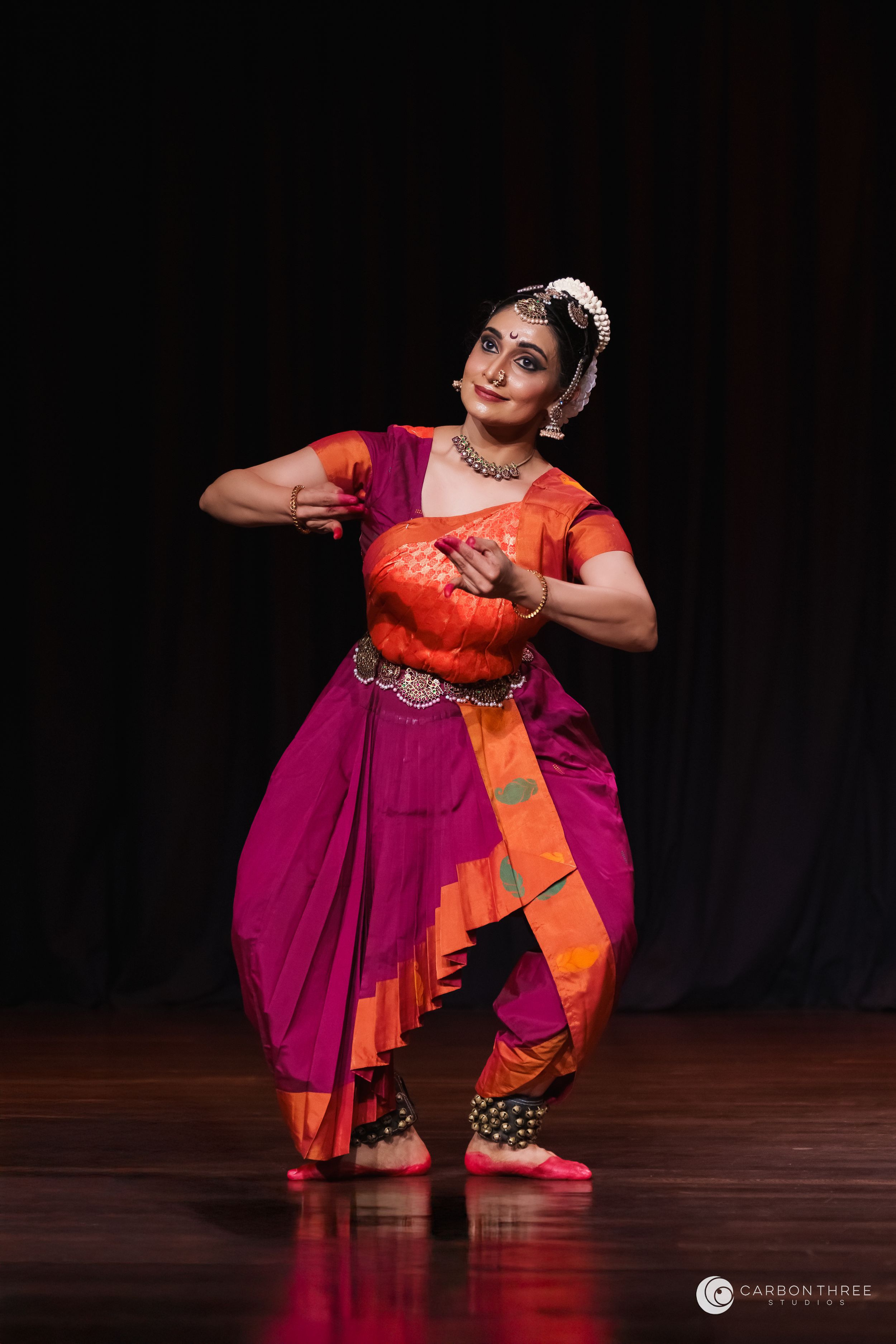
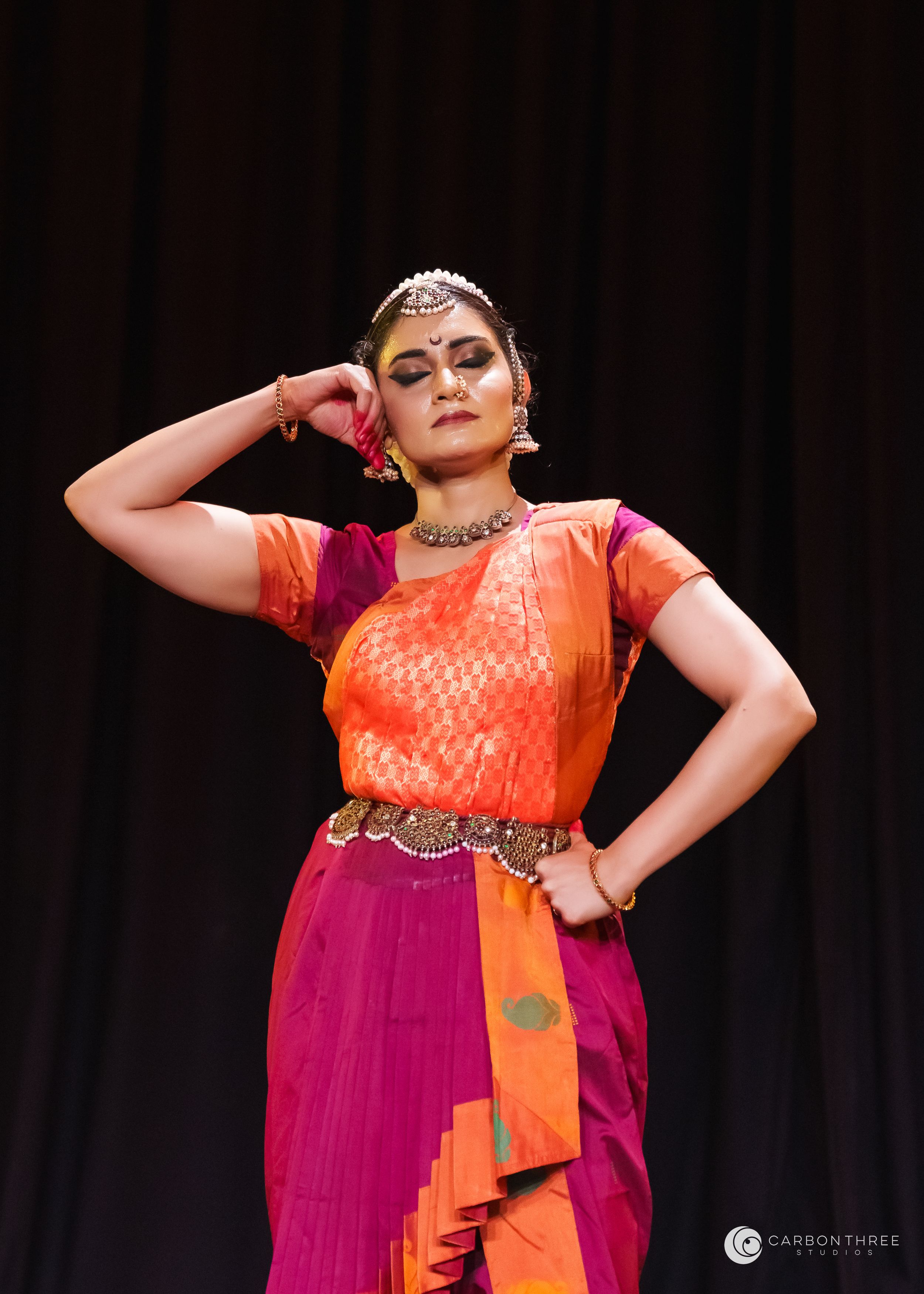
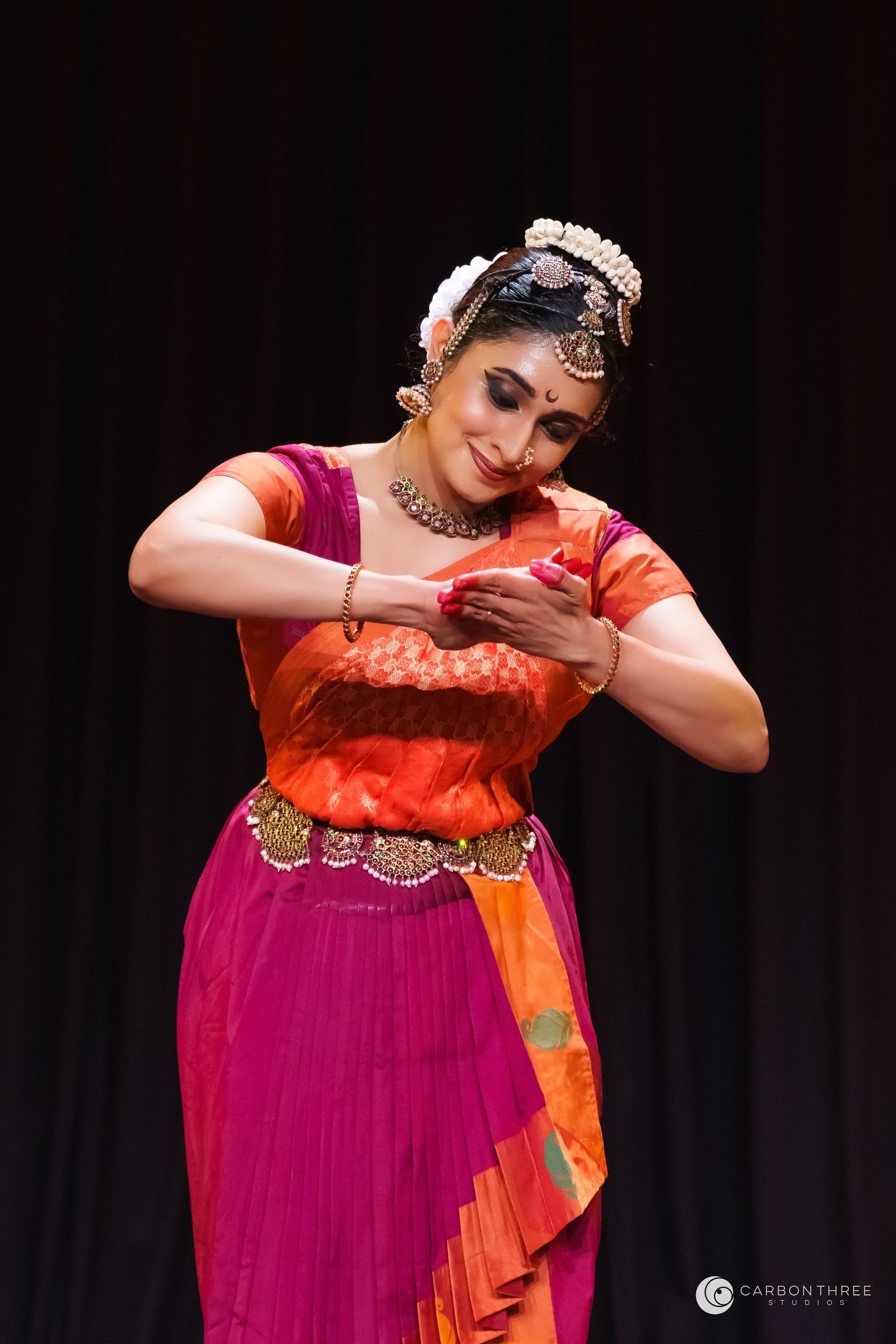
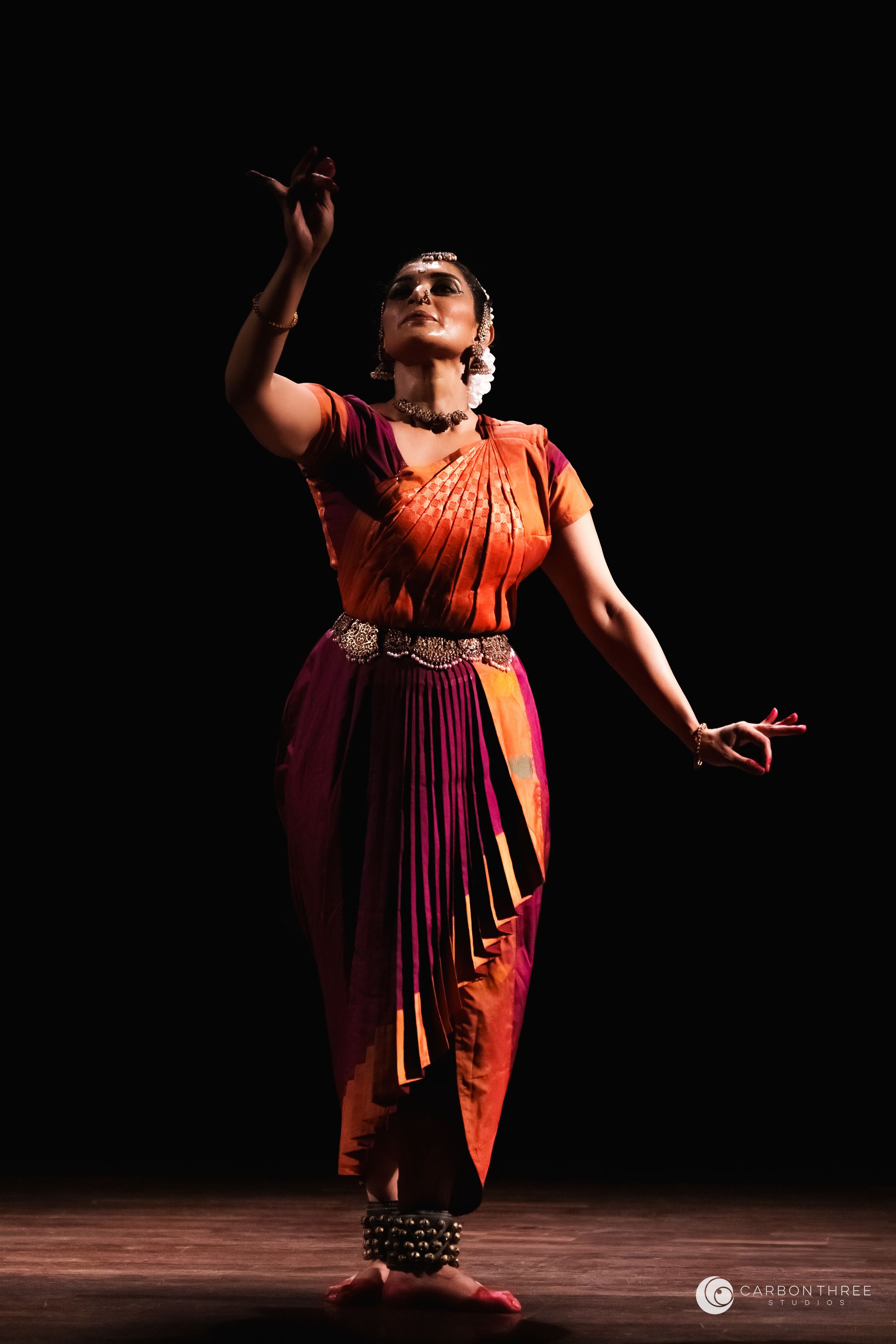
Varnam
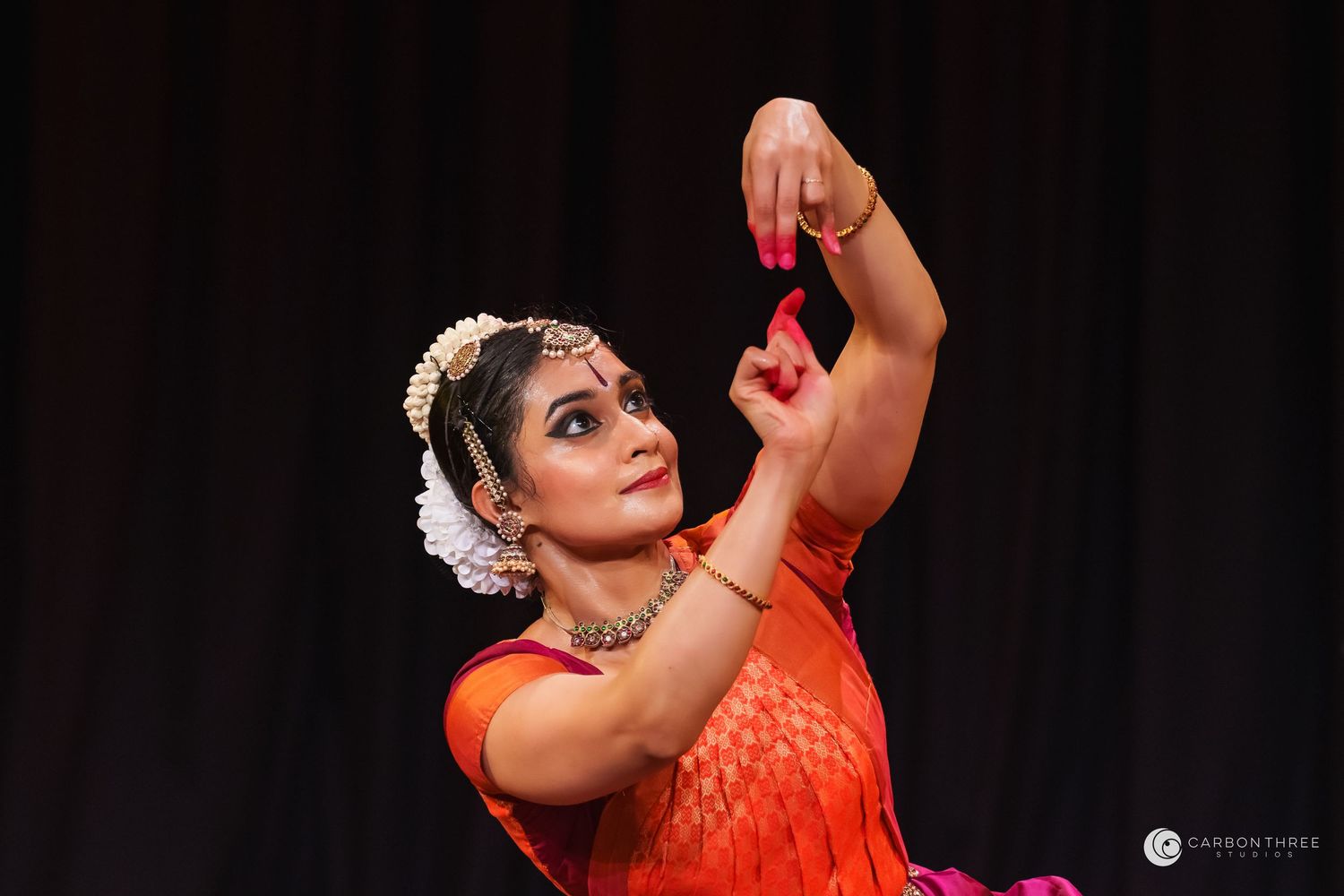
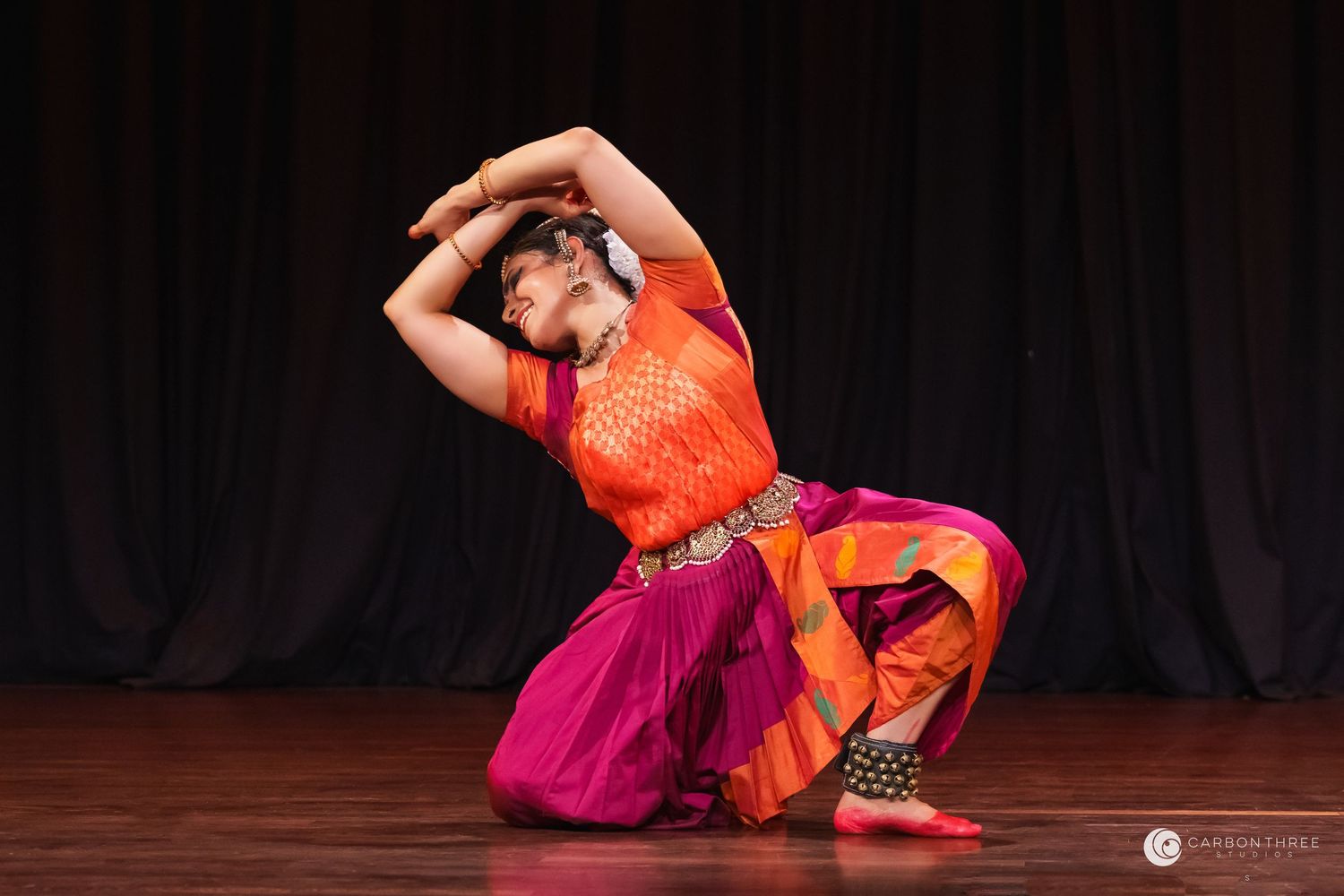
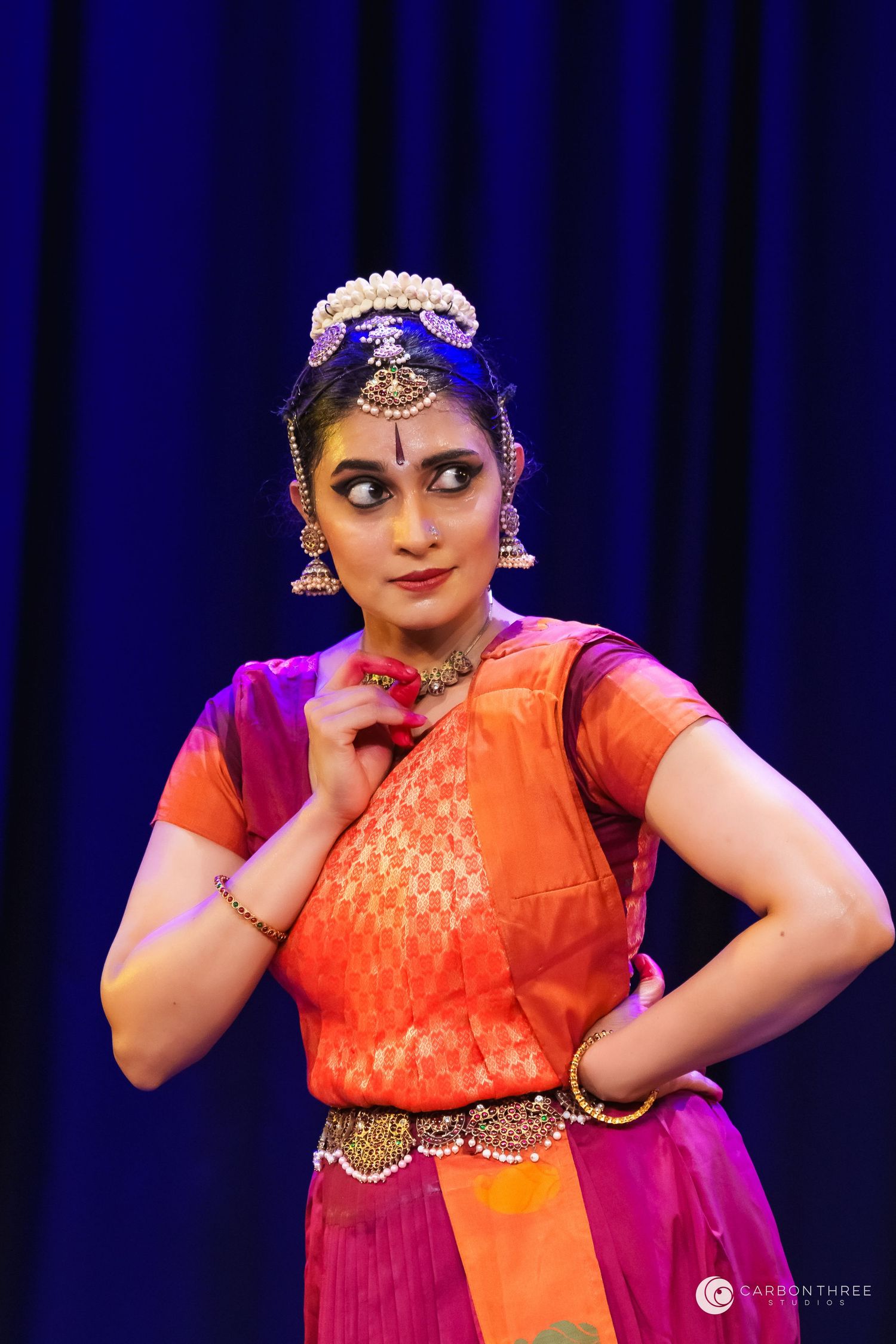
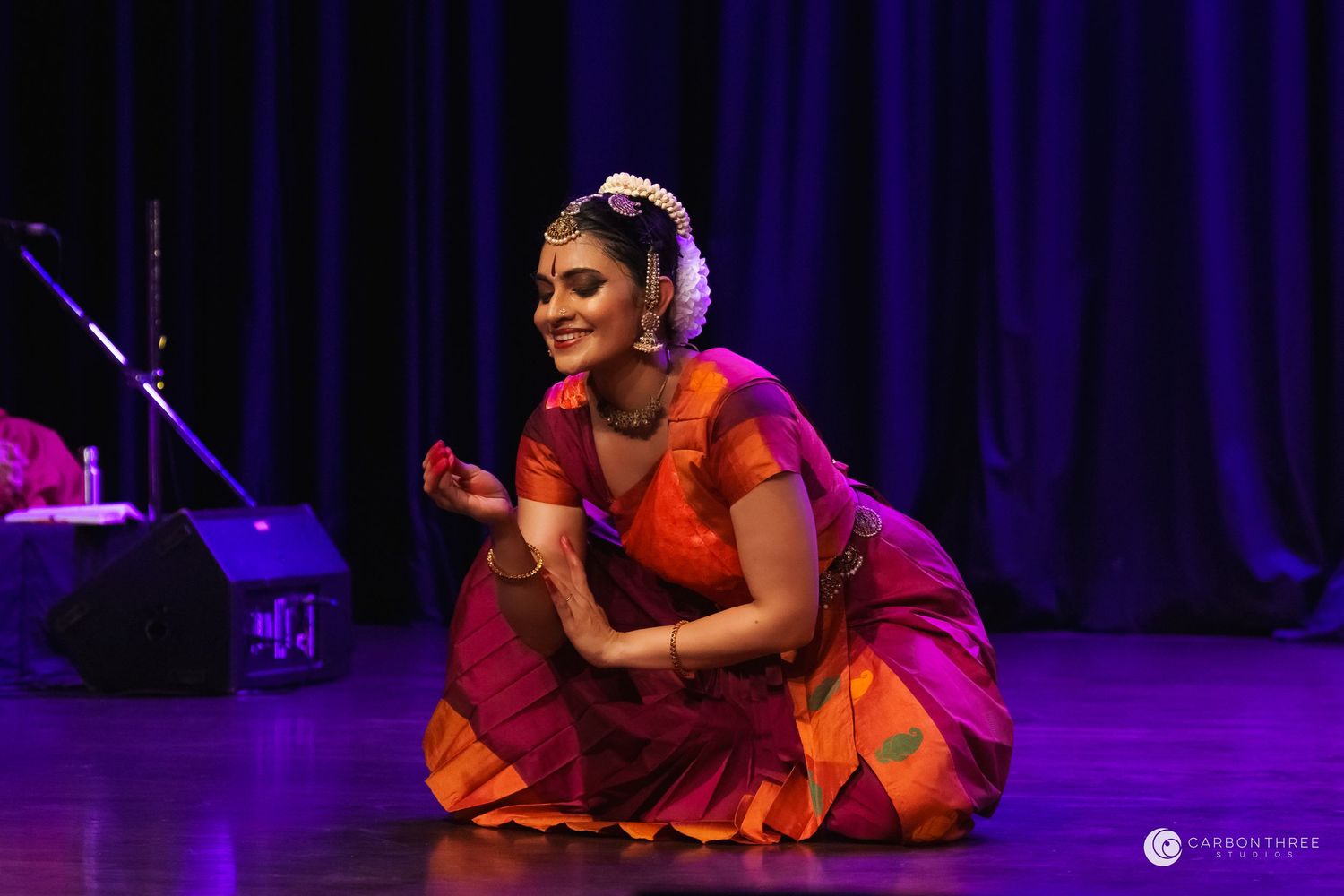
Andal’s devotion takes center stage in Aatkolla vendum aiyyane in Varnam. Through Bharatanatyam storytelling, verses from Nachiyar Thirumozhi unfold as spoken word sancharis, capturing Andal’s longing, hope, and surrender. The devotion is profound and all-encompassing, likened to the worm that consumes the essence of the wood apple - `Ulangunda vilangani pol`. Her yearning finds expression in the playful ritual of koodal - `Koodidu koodale`, where she seeks divine affirmation of their union. Overwhelmed by separation, she turns to the dark clouds, `Vinneela melaapu`, pouring out her sorrow and hoping they will carry her heartfelt pleas to her beloved. Finally, in desperation, she invokes Manmatha, `Kallavizh poonganai thodutthu kondu`, beseeching him to unleash an arrow of love that will unite her with Narayana, the object of her boundless love. The seamless interplay of rhythm, melody, and expression magnifies Andal’s emotions, creating an immersive experience of divine love.
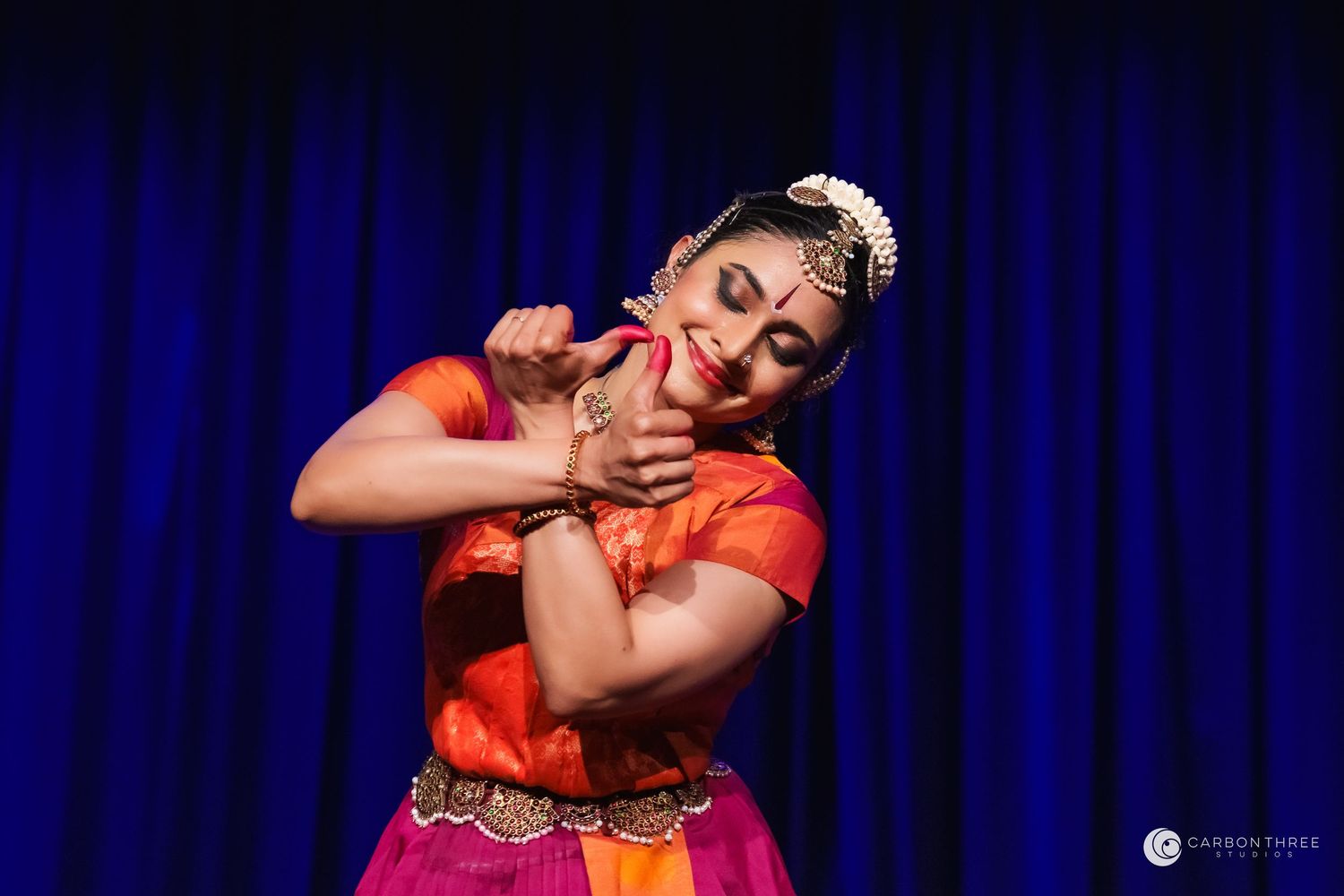
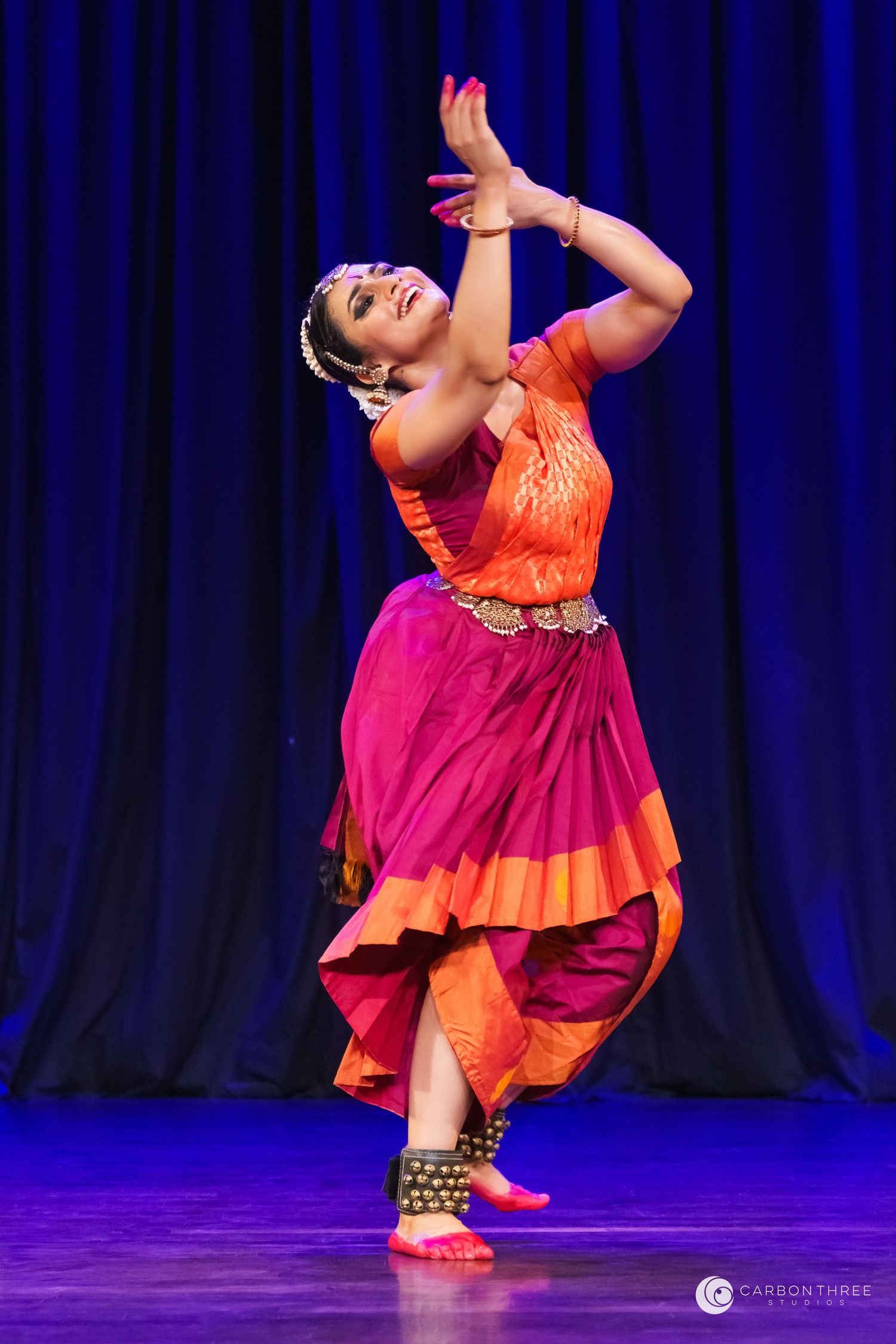
Amrapali
A captivating performance portraying the transformation of Amrapali from celebrated courtesan to Buddhist nun. Through expressive abhinaya, intricate footwork, and dynamic movements, the performance reflects themes of impermanence, identity, and self-realization. The interplay of ragas heightens the emotional depth, while poetic verses and symbolic gestures immerse the audience in Amrapali’s philosophical journey. A masterful blend of dance, music, and spoken word, this piece transcends historical narrative to offer a profound meditation on beauty, mortality, and liberation.
Akka Mahadevi
The Akka Mahadevi dance piece is a mesmerizing artistic interpretation of the 12th-century Kannada mystic’s spiritual journey, devotion, and defiance of societal norms. Through expressive choreography, Divya Ravi captures Akka Mahadevi’s philosophical reflections on life, loss, and divine love. Symbolism and dynamic musical interplay deepen the emotional resonance, transforming her story into a universal meditation on renunciation, self-realization, and the impermanence of worldly attachments.
Janabai
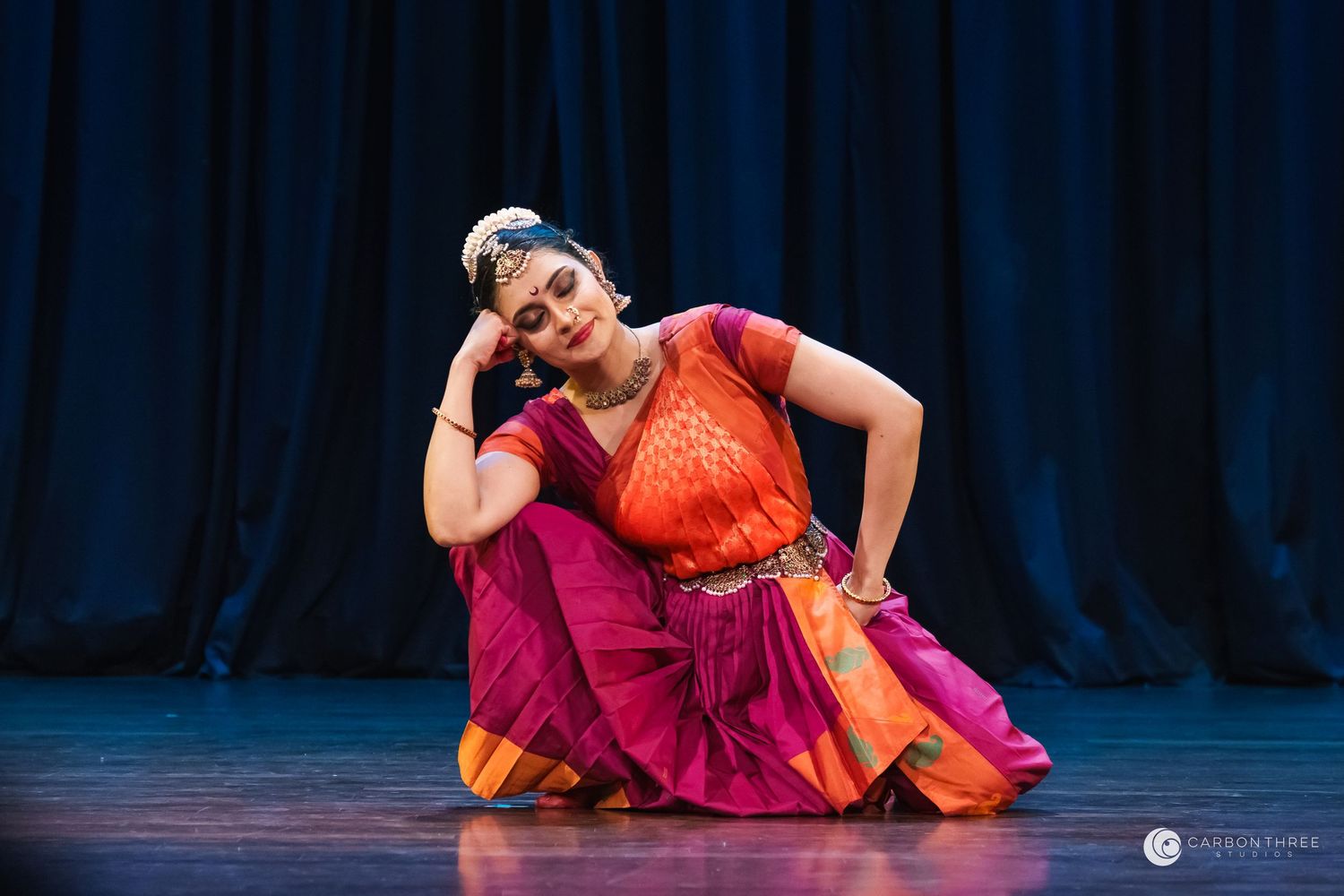
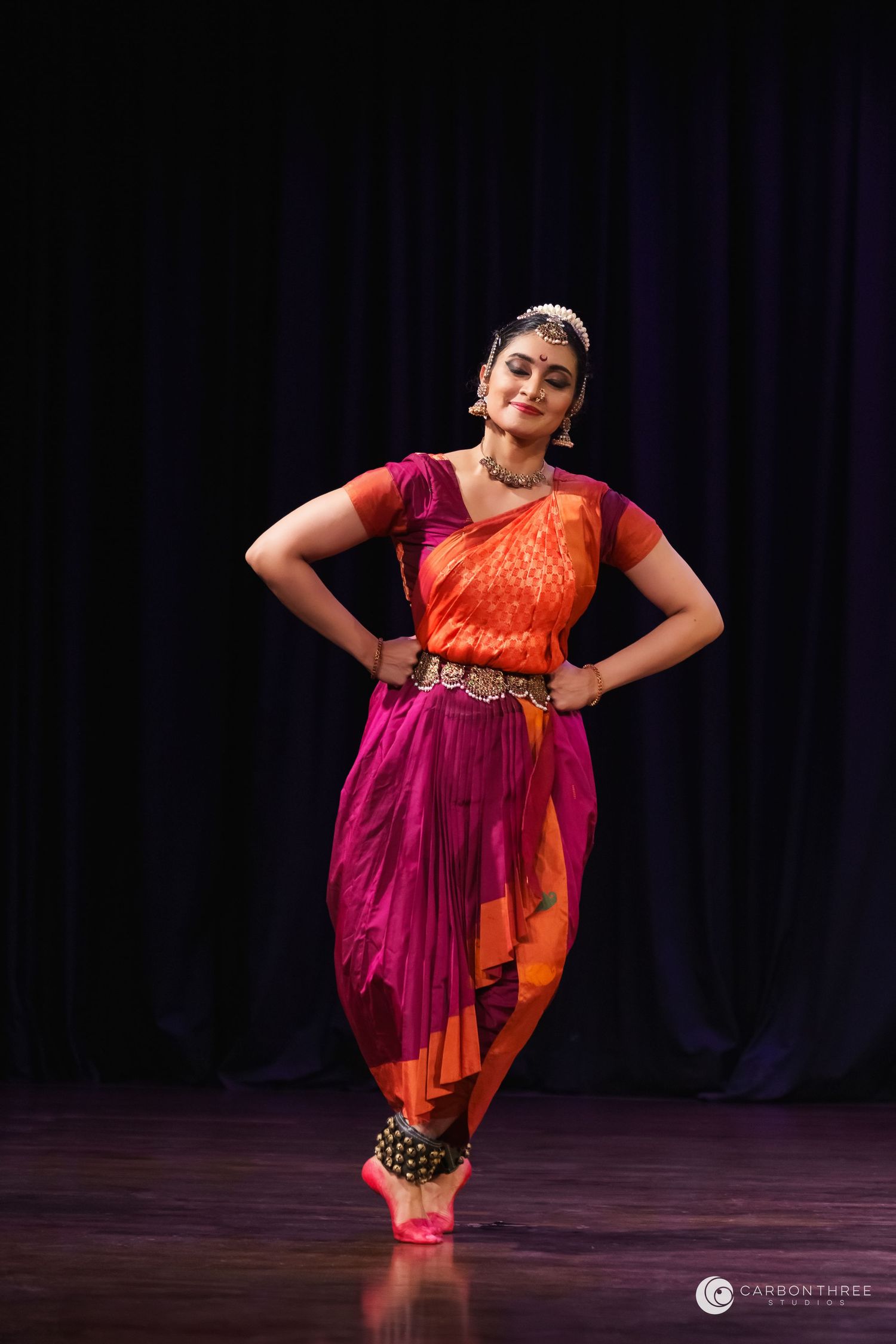
The Janabai dance piece is a moving portrayal of the 13th-century poet-saint’s unwavering devotion to Lord Vitthala, beautifully blending Bharatanatyam with abhang. The performance captures Janabai’s resilience, her daily struggles as a servant, and her profound spiritual companionship with Vitthala. The poetic verses deepen the emotional impact, illustrating not just her faith, but the transcendence of worldly hardships through divine love.
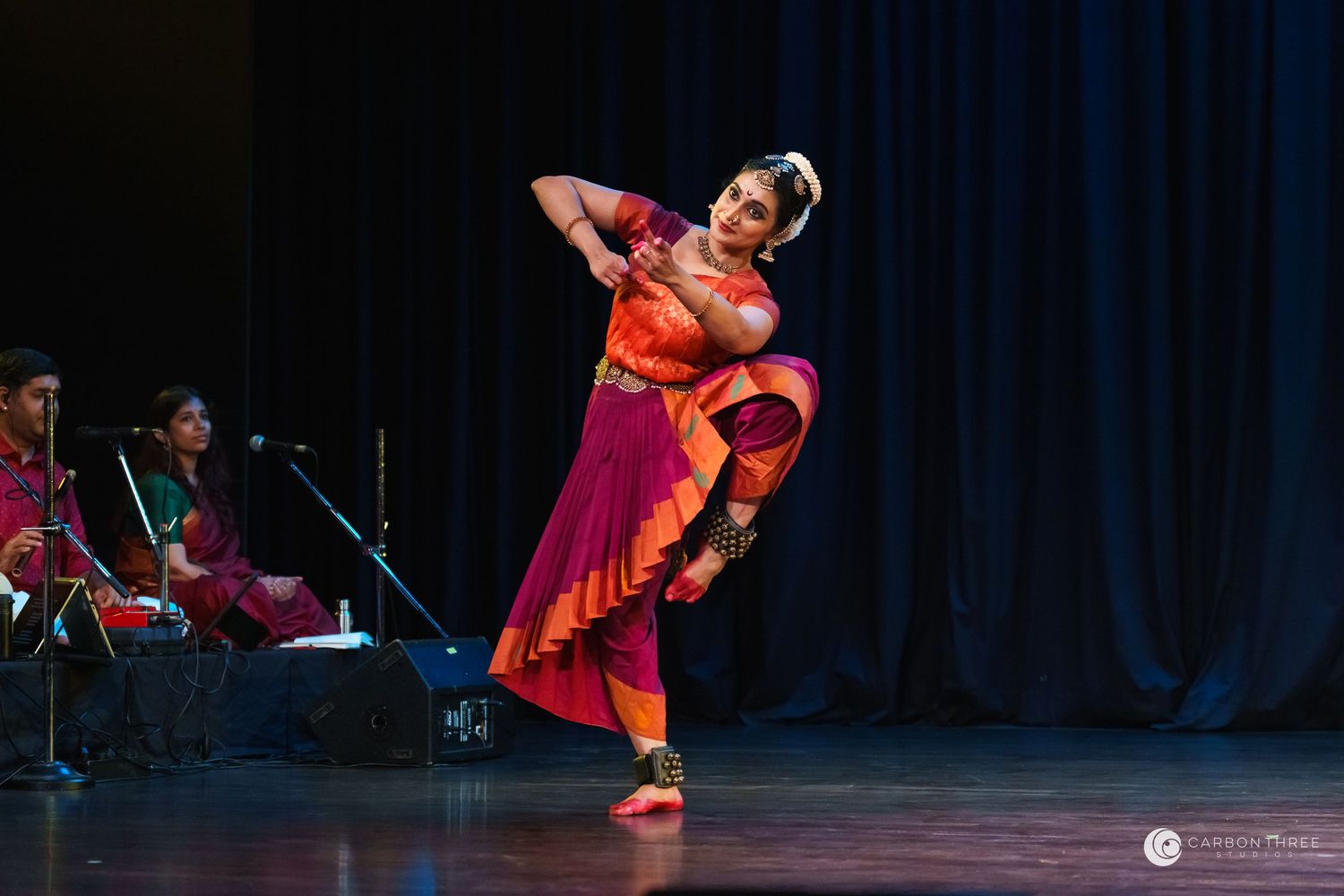
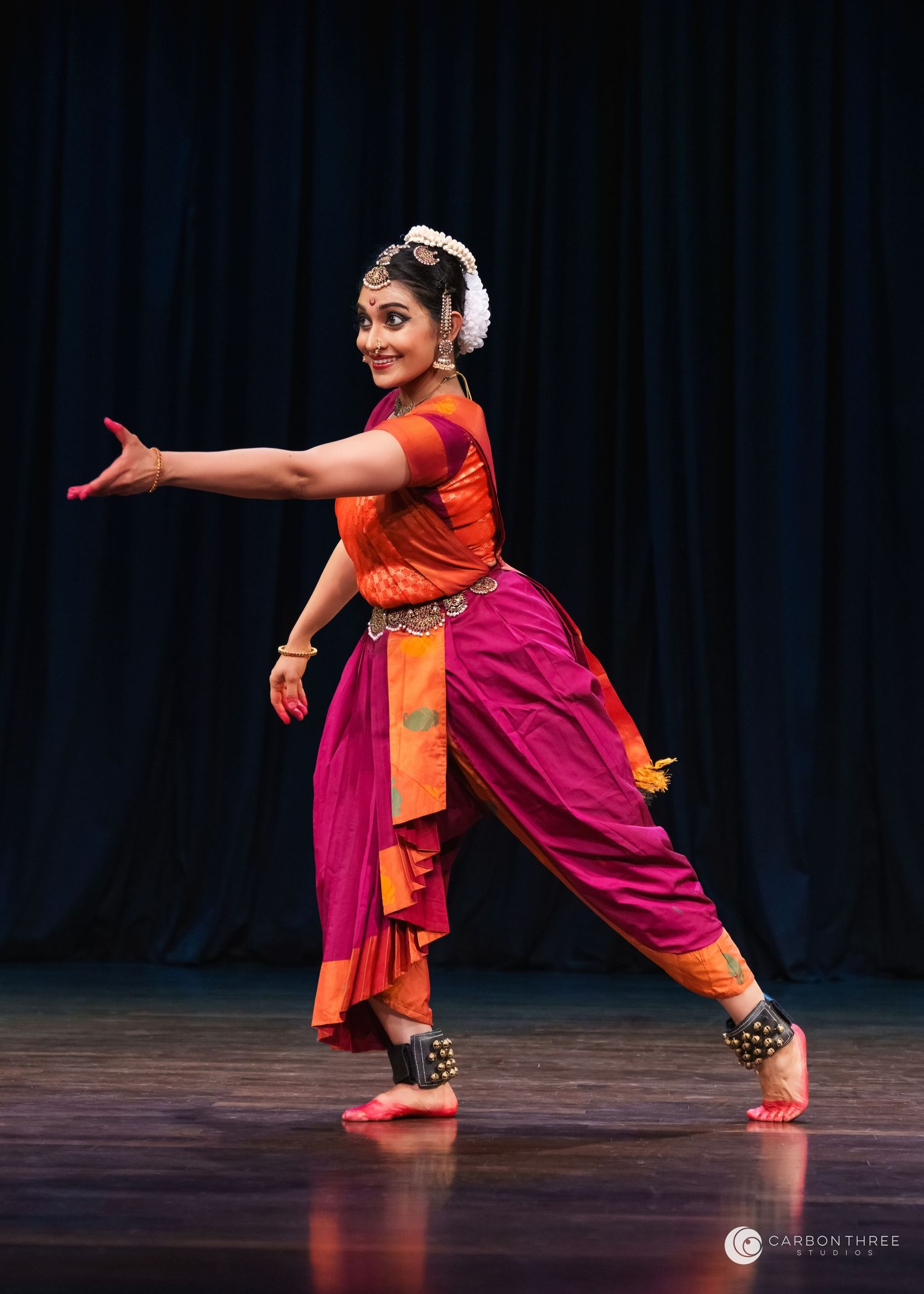
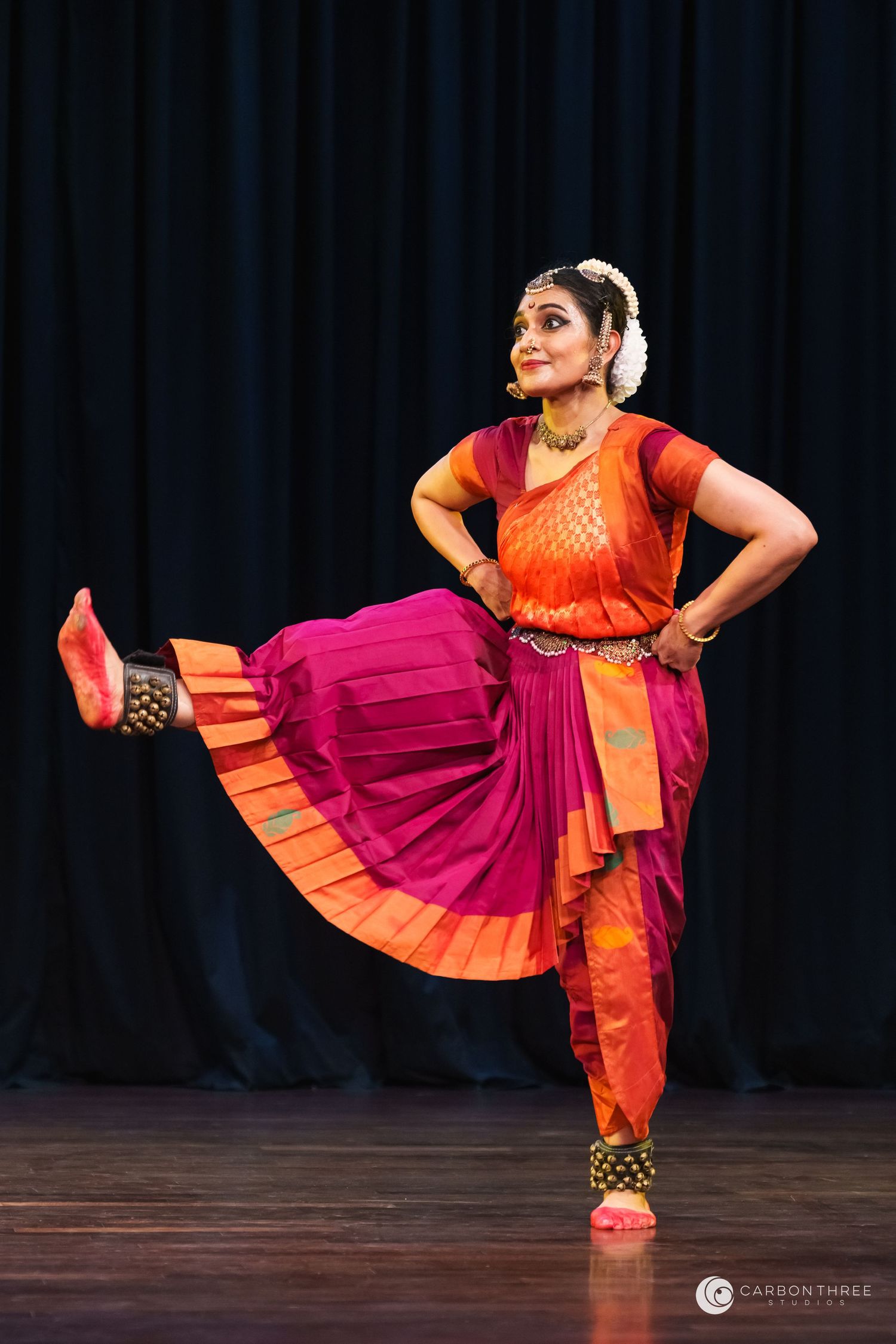
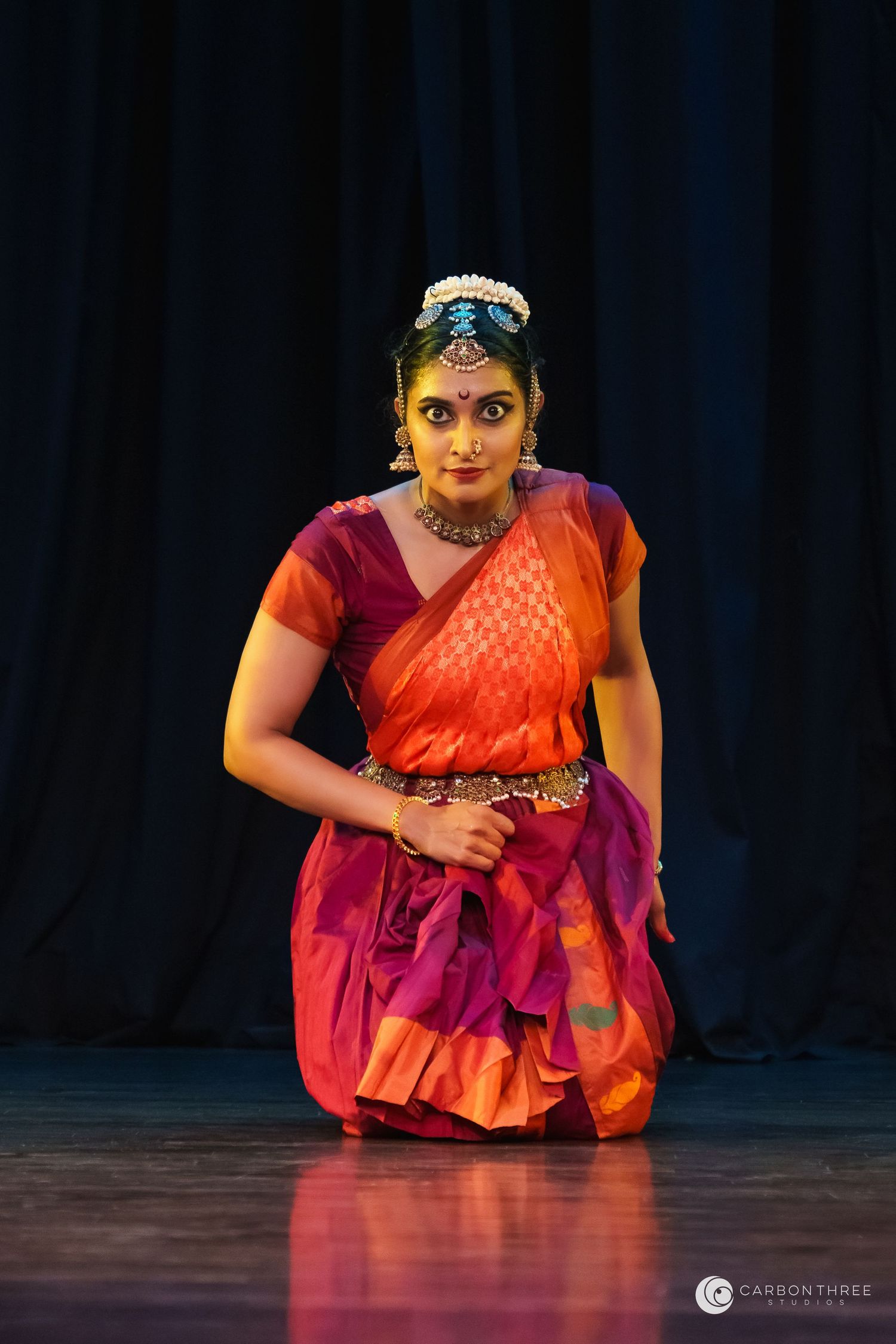
Orchestra
Music composition, Vocals – Sharan Subramanian
Nattuvangam – D.V. Prasanna
Mridangam – Srihari Rangaswamy
Flute – Vivek Krishna
Spoken word - Shwetha Krishna Rao
Photographer Notes
Reached out to the artist for permission to cover the event at Bangalore International Center. The staff were helpful in navigating the venue and access. Shot from the middle of the auditorium with 70-200, mostly at f/4.0-5.6 to cover the standard lighting with few accents. Thoroughly enjoyed the dance, music, and the stories depicted in them.
